

In metal mining operations worldwide, primary crushing is where efficiency begins—and often ends—before it even starts. Many operators assume that a higher reduction ratio means better performance, but this misconception can lead to unnecessary wear, energy waste, and downtime. The truth? A well-tuned PE jaw crusher isn’t just about brute force—it’s about precision engineering, smart operation, and proactive maintenance.
According to a 2023 study by the International Mining Equipment Association (IMEA), over 60% of jaw crusher inefficiencies stem from improper setup or operator error—not equipment failure. Key missteps include:
Our engineers have found that optimal productivity occurs when the discharge opening is set between 10–15% of the feed size. For example, if your feed material averages 150mm, aim for a 15–22mm gap. This balance maximizes throughput while minimizing wear on the crushing chamber.
| Operating Condition | Impact on Output | Recommended Action |
|---|---|---|
| Feed Moisture > 5% | ↓ 20–25% capacity | Install pre-dewatering screen |
| Discharge Gap Too Small | ↑ Energy use by 15–18% | Adjust to 10–15% of feed size |
| No Scheduled Maintenance | ↑ Downtime by 35–40% | Follow 3-month inspection checklist |
These aren’t just theoretical insights—they’re backed by real-world data from projects across South Africa, Australia, and Canada, where our PE jaw crushers consistently outperform competitors in both durability and cost-per-ton metrics.
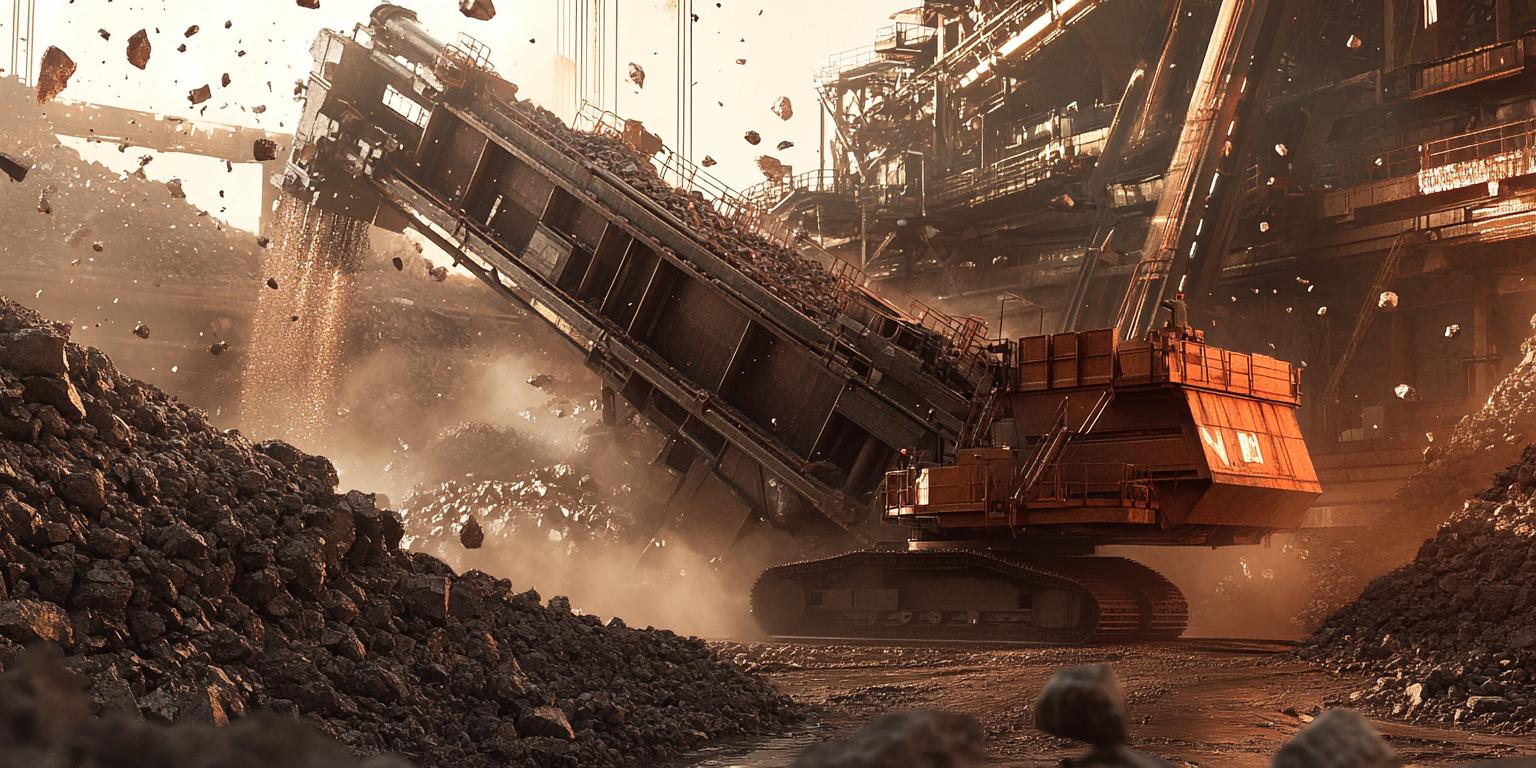
From high-humidity tropical environments to arid desert sites, every mine has unique challenges. That’s why we offer tailored solutions—from custom liner materials for abrasive ores to remote monitoring via IoT-enabled controls. With service hubs in 17 countries, support is never more than 48 hours away.
Get a free technical consultation with one of our global field engineers—no obligation, no pressure. Just actionable advice based on your specific site conditions.
Download Our Free Jaw Crusher Optimization Guide




.jpg?x-oss-process=image/resize,m_fill,h_800,w_800/format,webp)


 Facebook