PE Jaw Crusher in Metal Ore Crushing: Key Technologies and Application Guide
2025-11-29
Technical knowledge
Why is the PE jaw crusher often misused in primary metal ore crushing? This article delves into core technical advantages—such as optimized moving jaw trajectory and high-strength eccentric shaft design—and addresses three common misconceptions: overemphasizing high reduction ratio, neglecting moisture effects on feed material, and ignoring maintenance schedules. Supported by real engineering data comparisons, it clarifies performance boundaries and shows how proper use boosts throughput per unit energy while ensuring safety. Unlock the true efficiency potential of your PE jaw crusher.
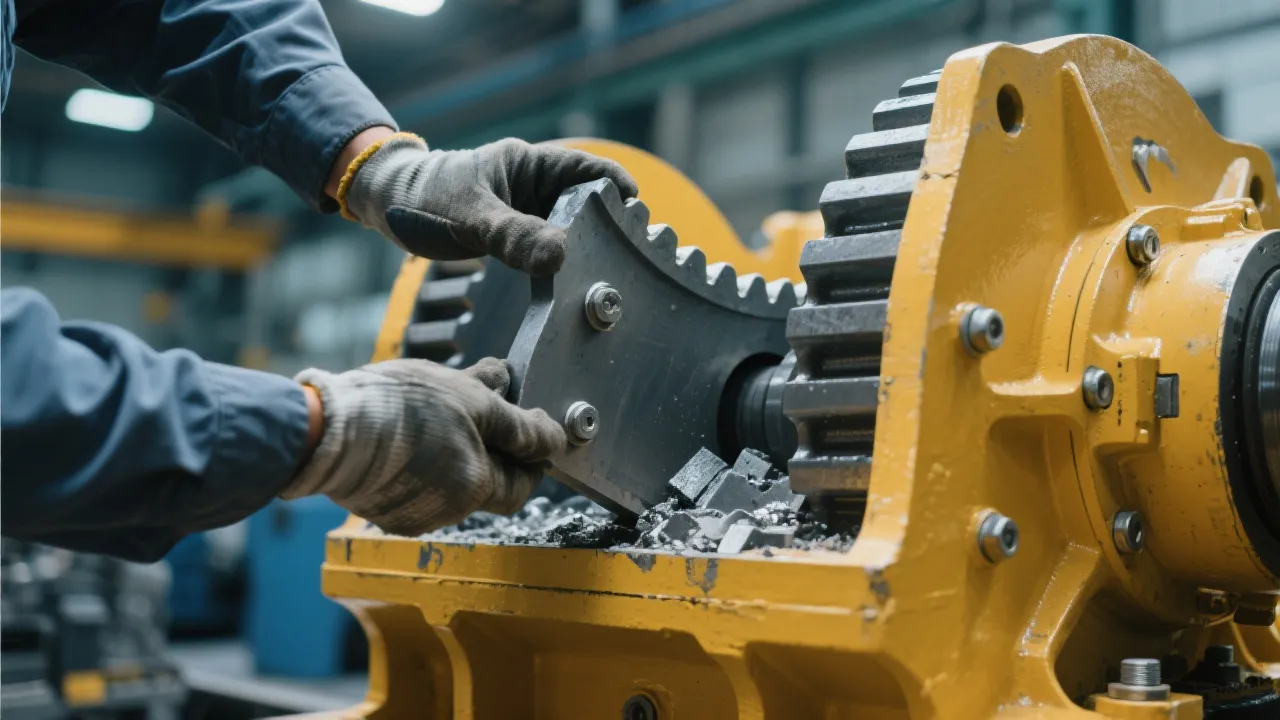
Why PE Jaw Crushers Are Misused in Metal Ore Processing — And How to Fix It
You’re not alone if you’ve seen a PE jaw crusher underperform in your metal ore crushing operation. Many operators assume that higher throughput means better performance — but the real issue often lies in how the machine is used, not what it’s capable of.
Three Common Mistakes That Waste Energy and Reduce Output
Based on over 30 years of field experience across Africa, South America, and Southeast Asia, we’ve identified three recurring errors that lead to poor efficiency:
- Overestimating破碎比 (crushing ratio): Operators often set the discharge opening too small, expecting high fines. In reality, this increases power consumption by up to 25% without significant yield gain.
- Ignoring moisture content: Wet ores with >8% moisture cause material buildup, reducing effective capacity by 15–30%—especially during rainy seasons.
- Neglecting maintenance schedules: A study from a Brazilian copper mine showed that missing just one monthly inspection led to premature wear on the toggle plate, increasing downtime by 40% within six months.
| Operation Error |
Impact on Output |
Energy Penalty |
| Too narrow discharge setting |
↓ 12–18% |
↑ 22–27% |
| Wet feed without drying |
↓ 20–30% |
↑ 15–20% |
| Monthly inspections skipped |
↓ 10–15% over 6 months |
↑ 10–15% |
“After adjusting our jaw crusher settings based on actual ore characteristics—not just theoretical specs—we boosted daily output by 17% and cut energy use per ton by 12%.” — Miguel R., Plant Manager, Chilean Silver Mine
How to Get More From Your PE Jaw Crusher
It’s not about buying a new machine—it’s about understanding how yours works. Here’s what seasoned engineers do:
- Set the discharge opening at 10–15% of the feed size for optimal balance between particle size and throughput.
- Check the eccentric shaft alignment every 150 hours—this prevents misalignment-induced vibration and premature bearing failure.
- Use a moisture sensor or pre-drying step when feed moisture exceeds 6% to avoid clogging and uneven feeding.
The key takeaway? Proper setup isn’t just good practice—it’s a productivity multiplier. When you align the equipment with real-world conditions, you unlock consistent output and lower operating costs.
Ready to Maximize Your Jaw Crusher Performance?
Get our free downloadable guide: “PE Jaw Crusher Optimization Checklist” — trusted by over 500 mining teams worldwide.
Download Now →




.jpg?x-oss-process=image/resize,m_fill,h_800,w_800/format,webp)


 Facebook