
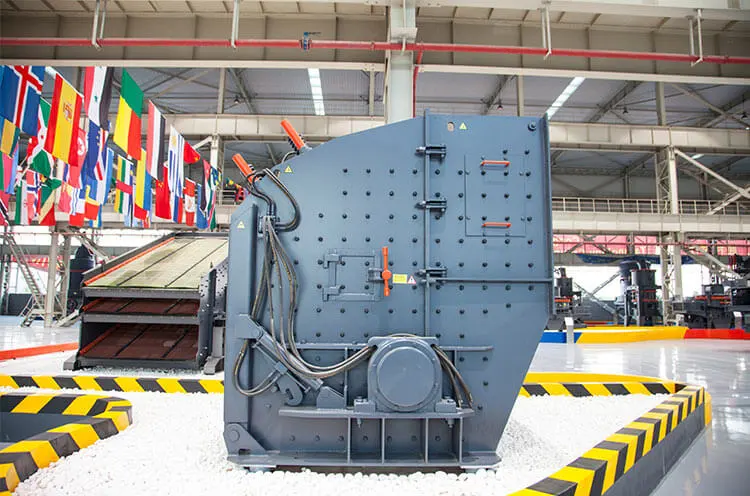
In the evolving landscape of sustainable construction and urban renewal, efficient processing of construction and demolition (C&D) waste stands as a critical challenge and opportunity. The PF-1315 Impact Crusher emerges as a proven solution, combining advanced mechanical design and material science to maximize recycling efficiency of diverse waste materials such as concrete debris, brick fragments, and reinforced steel composites.
The PF-1315 leverages a robust high-speed rotor system that accelerates incoming waste materials, projecting them onto strategically engineered impact plates. This mechanism results in precise comminution to achieve desired aggregate sizes with consistently excellent particle shape. Utilizing high wear-resistant alloys and state-of-the-art digital machining for component fabrication, the crusher offers:
Due to heterogeneous nature of construction waste, process adaptability is critical. The PF-1315 supports configuration adjustments including:
Such flexibility enables efficient processing of mixed waste containing concrete chunks, bricks, and embedded steel, minimizing metal contamination through integrated magnetic separators.
A mid-sized municipality recently employed the PF-1315 at a large-scale demolition site, handling an estimated 50,000 tons of mixed construction debris over three months. Key performance results included:
The project also benefited from tailored operator training modules and real-time process monitoring enabled by optional digital instrumentation packages.
To maximize long-term performance, routine inspections focus on wear parts such as blow bars, impact plates, and rotor bearings. Best practices include:
Common pitfalls to avoid include feeding overly large, unsegregated materials which can reduce crusher life and increase downtime. Integration of upstream screening and metal extraction enhances overall system resilience.
For personalized process optimization and detailed technical consultations, feel free to leave your specific operating conditions below.
 410
|
410
|
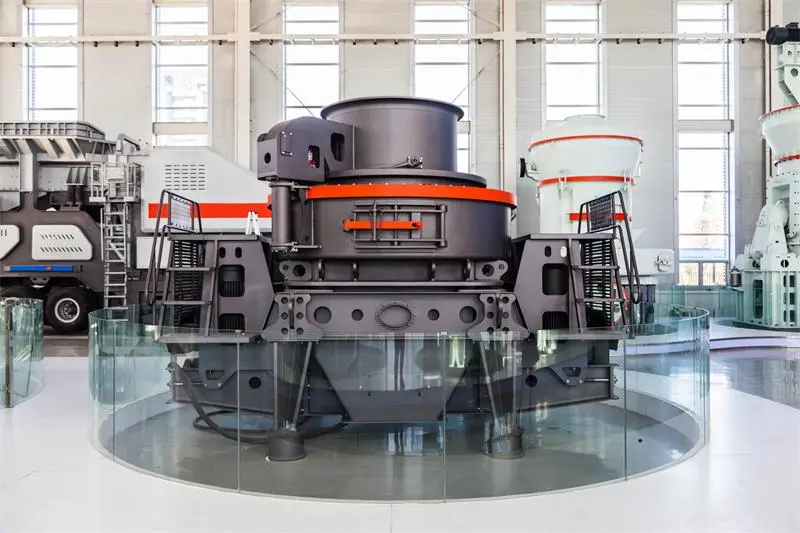
 VSI6X sand making machine
high-efficiency sand making equipment
artificial sand production
sand making machine manufacturer
energy-saving and environmental protection equipment
395
|
VSI6X Sand Maker
sand making equipment for diverse needs
sand shaping equipment
choosing sand making equipment
advantages of VSI6X Sand Maker
154
|
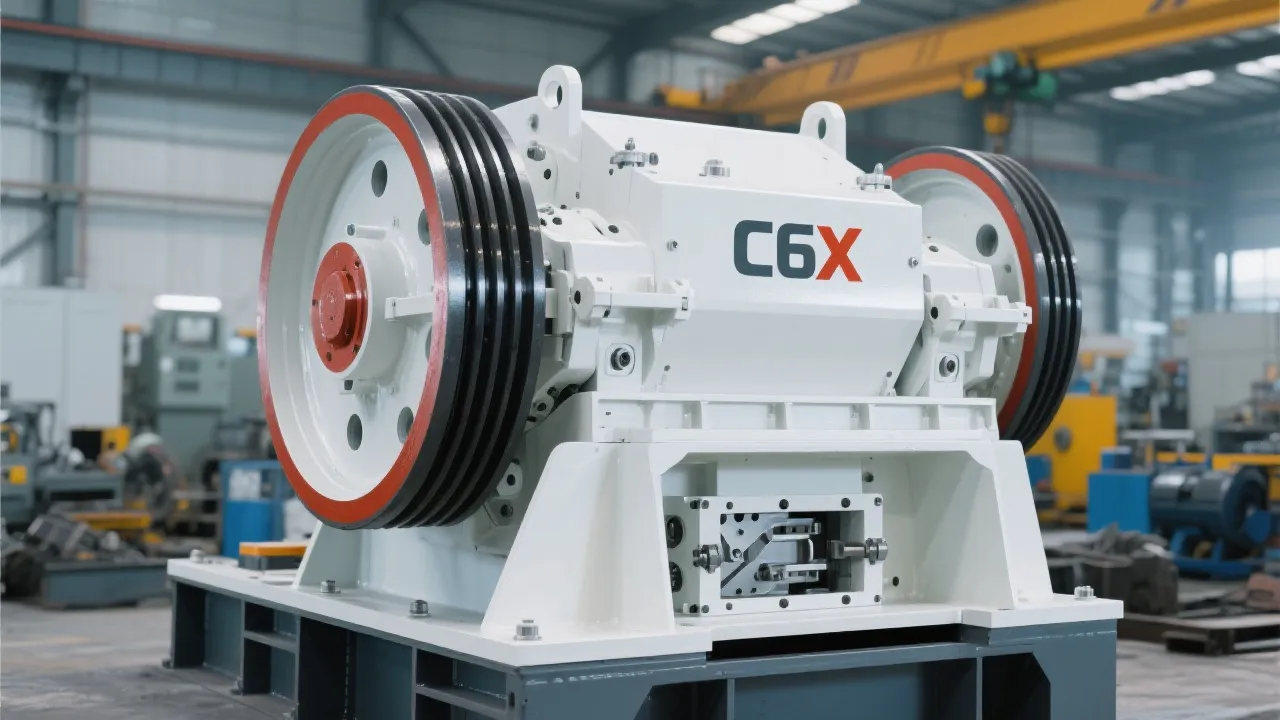
C6X jaw crusher
aggregate plant efficiency improvement
jaw crusher technical advantages
modular crushing equipment
Southeast Asia crusher case
128
|
metal ore crushing challenges
PEW jaw crusher solutions
iron ore crushing efficiency
jaw crusher wear maintenance
copper ore processing technology
426
|
PEW jaw crusher
non - metallic mineral crushing process
improvement of crushing ratio
energy - saving crushing equipment
jaw crusher selection guide
VSI6X sand making machine
high-efficiency sand making equipment
artificial sand production
sand making machine manufacturer
energy-saving and environmental protection equipment
395
|
VSI6X Sand Maker
sand making equipment for diverse needs
sand shaping equipment
choosing sand making equipment
advantages of VSI6X Sand Maker
154
|
C6X jaw crusher
aggregate plant efficiency improvement
jaw crusher technical advantages
modular crushing equipment
Southeast Asia crusher case
128
|
metal ore crushing challenges
PEW jaw crusher solutions
iron ore crushing efficiency
jaw crusher wear maintenance
copper ore processing technology
426
|
PEW jaw crusher
non - metallic mineral crushing process
improvement of crushing ratio
energy - saving crushing equipment
jaw crusher selection guide



.jpg?x-oss-process=image/resize,m_fill,h_800,w_800/format,webp)







.jpg?x-oss-process=image/resize,h_800,m_lfit/format,webp)




 Facebook