
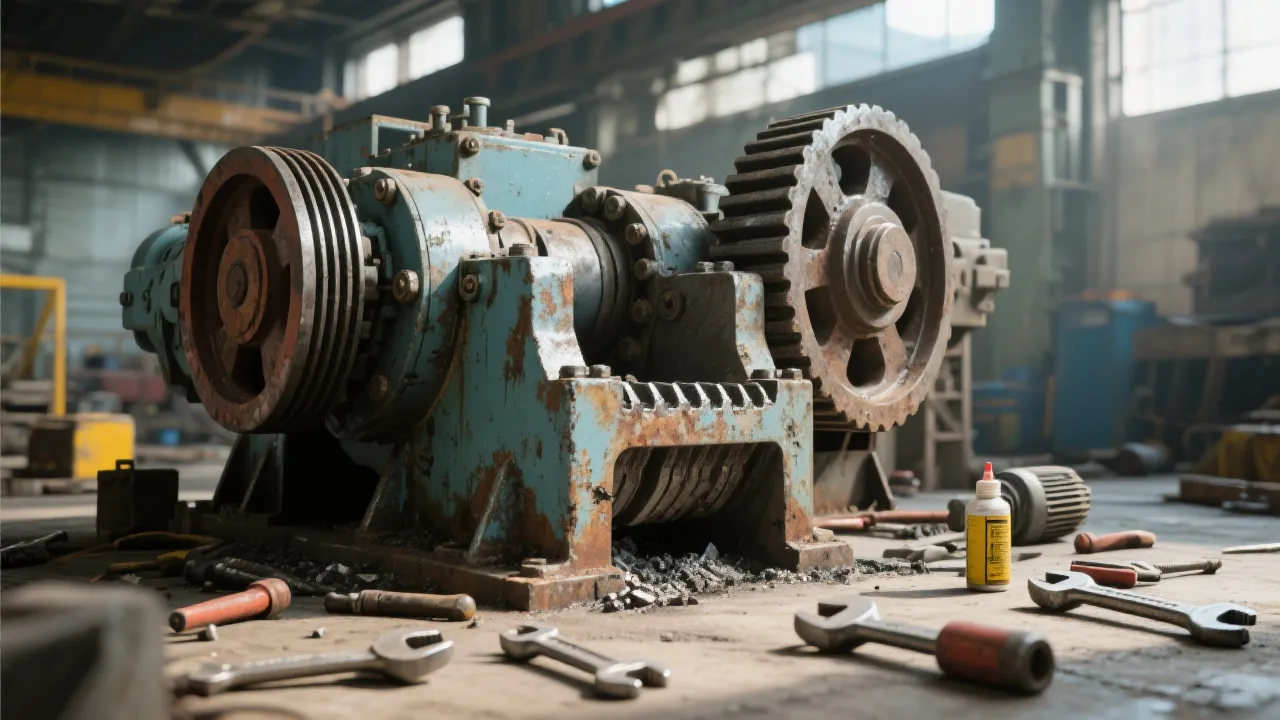
Efficient and reliable processing of construction waste presents a critical opportunity for sustainable urban development. The PF-1315 impact crusher stands out as a high-performance equipment designed to tackle complex materials like concrete, bricks, and steel-reinforced debris. Leveraging cutting-edge digital precision manufacturing technologies, this crusher achieves enhanced wear resistance and durability, meeting the rigorous demands of modern recycling operations.
The PF-1315 operates on the impact crushing principle, where materials are fed into the crushing chamber and subjected to high-speed selective impacts. The rotor’s dynamic inertia combined with replaceable wear parts including impact plates and blow bars facilitate efficient size reduction. Precision-engineered components ensure consistent rotor balance, reducing vibration and energy wastage. The digital machining process achieves tolerances within ±0.01 mm, extending service life drastically compared to conventional crushers.
Construction waste varies significantly in composition—ranging from primarily concrete aggregates to mixed bricks and embedded steel reinforcements. Maintaining peak crushing efficiency requires meticulous adjustment of operational parameters:
Fine-tuning these parameters in accordance with real-time feed variance helps maximize crushing ratio and minimizes recirculation loads, ultimately increasing the recovery rate of reusable materials.
Despite robust design, certain operational challenges commonly arise with PF-1315 crushers in industrial settings:
| Issue | Cause | Solutions |
|---|---|---|
| Excessive Vibration | Rotor imbalance or worn bearings | Balance rotor monthly; lubricate and inspect bearings before every shift |
| Screen Blockage | Moist or flaky materials clogging mesh | Use vibration aids; adjust feed moisture; implement pre-screening steps |
| Abrasion of Blow Bars | High hardness aggregates with improper alloy selection | Select blow bars with martensitic steel composition; schedule regular replacements |
Preventive maintenance is critical to reduce downtime and operating costs. Key tactics include:
In a recent project involving urban demolition debris containing 15% steel reinforcements and mixed masonry, adjusting the PF-1315’s rotor speed from 850 to 950 RPM and decreasing feed size to below 300 mm resulted in a 25% increase in output quality consistency and a 16% reduction in wear on key components within 3 months.
This operational fine-tuning, combined with proactive maintenance schedules, improved the plant’s resource recovery rate by 18%, directly impacting profitability and supporting circular economy goals.
 473
|
473
|
 jaw crusher efficiency optimization
V-type crushing chamber design
mineral comminution ratio
energy-efficient jaw crushers
PEW jaw crusher
69
|
Jaw crusher
Metal ore crushing
Co - operation of coarse and medium crushing
Feed particle size control
Modular crushing system
359
|
PEW Jaw Crusher
energy-efficient jaw crusher
automated production jaw crusher
33
|
impact crusher design
ore moisture effects
granulometry crushing
CI5X impact crusher
mineral processing equipment
338
|
VSI6X Sand Making Machine
patent technology
sand production
efficiency
quality
Zhengzhou Mining Alliance
operational safety
feeding modes
jaw crusher efficiency optimization
V-type crushing chamber design
mineral comminution ratio
energy-efficient jaw crushers
PEW jaw crusher
69
|
Jaw crusher
Metal ore crushing
Co - operation of coarse and medium crushing
Feed particle size control
Modular crushing system
359
|
PEW Jaw Crusher
energy-efficient jaw crusher
automated production jaw crusher
33
|
impact crusher design
ore moisture effects
granulometry crushing
CI5X impact crusher
mineral processing equipment
338
|
VSI6X Sand Making Machine
patent technology
sand production
efficiency
quality
Zhengzhou Mining Alliance
operational safety
feeding modes






.jpg?x-oss-process=image/resize,m_fill,h_800,w_800/format,webp)



 Facebook