
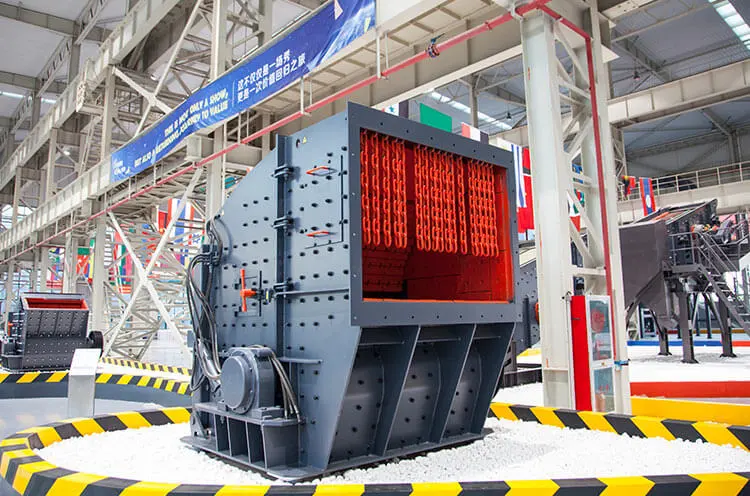
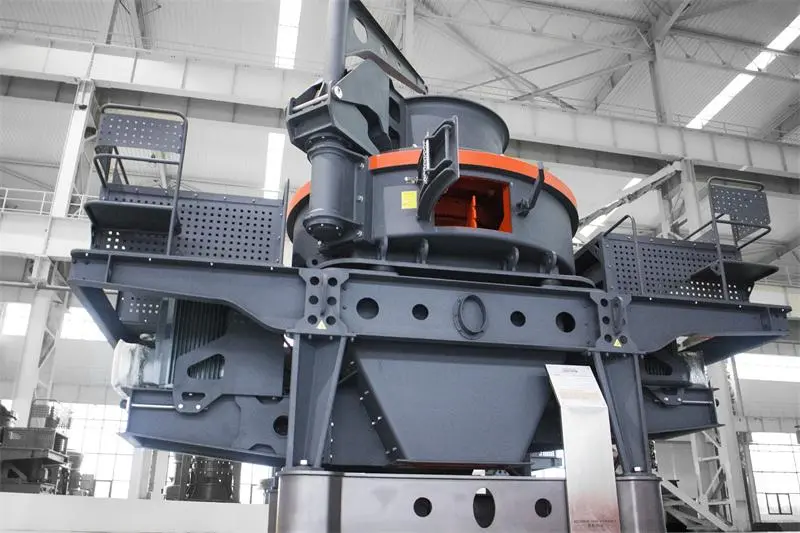
Are you struggling to optimize the processing of mixed construction demolition waste? The PF-1315 Impact Crusher offers a technologically advanced solution designed to meet the demanding needs of urban redevelopment projects. How does it outperform traditional crushers and adapt to varying feed materials such as concrete, bricks, and reinforced steel? Let’s delve into the technical core and practical parameters that will help you maximize aggregate quality and return on investment.
At the heart of the PF-1315 lies its high-speed rotor system, engineered to propel materials against strategically positioned impact plates. This method significantly influences particle shape and toughness, creating superior recycled aggregates. Unlike conventional jaw crushers that apply compressive forces, the impact crusher’s kinetic energy reduces flaky and elongated particles — a critical difference proven to lower needle-like particle content by up to 35% in recent field studies.
Moreover, the adoption of premium wear-resistant materials and precision digital machining ensures not only consistent performance but extends component lifespan by roughly 25-30% compared to industry averages. This longevity translates into reduced downtime and maintenance costs.
Let’s consider a representative urban redevelopment case where the fed input includes mixed concrete debris, bricks, and steel reinforcements. How should you adjust the vital parameters to match such variability?
The synergy of these settings was validated by onsite measurements indicating a 20% increase in usable recycled aggregate yield versus baseline crushing approaches.
Selecting the PF-1315 means choosing stable output with scalable throughput and durable operation — a proven formula for maximizing long-term returns on investment. Don’t let outdated crushing methods limit your project’s potential. Take control with advanced technology tailored to your debris composition and project goals.
Discover How PF-1315 Can Transform Your Waste ProcessingEncountering challenges or want to explore parameter customization? Leave your questions here and get hands-on advice from industry experts dedicated to your success.
 86
|
86
|
 Metal ore jaw crusher selection
Crusher feeding size matching
Ore particle size and crushing efficiency
Jaw crusher feeding range
Optimization of mining crushing equipment parameters
94
|
metal ore crushing issues
PEW jaw crusher technology
iron ore crushing efficiency
jaw crusher maintenance tips
mining equipment downtime prevention
423
|
Impact crusher rotor design
Crushing efficiency improvement
Rotor parameter optimization
Mining equipment maintenance
Hammer wear law
428
|
["jaw crusher maintenance"
"high capacity jaw crusher"
"equipment maintenance tips"
"Zhengzhou Kuanglian Machinery"
"C6X jaw crusher"]
359
|
PEW Jaw Crusher
energy-efficient jaw crusher
automated production jaw crusher
Metal ore jaw crusher selection
Crusher feeding size matching
Ore particle size and crushing efficiency
Jaw crusher feeding range
Optimization of mining crushing equipment parameters
94
|
metal ore crushing issues
PEW jaw crusher technology
iron ore crushing efficiency
jaw crusher maintenance tips
mining equipment downtime prevention
423
|
Impact crusher rotor design
Crushing efficiency improvement
Rotor parameter optimization
Mining equipment maintenance
Hammer wear law
428
|
["jaw crusher maintenance"
"high capacity jaw crusher"
"equipment maintenance tips"
"Zhengzhou Kuanglian Machinery"
"C6X jaw crusher"]
359
|
PEW Jaw Crusher
energy-efficient jaw crusher
automated production jaw crusher
.jpg?x-oss-process=image/resize,h_800,m_lfit/format,webp)
.jpg?x-oss-process=image/resize,h_800,m_lfit/format,webp)
.jpg?x-oss-process=image/resize,h_800,m_lfit/format,webp)




.jpg?x-oss-process=image/resize,m_fill,h_800,w_800/format,webp)



 Facebook