
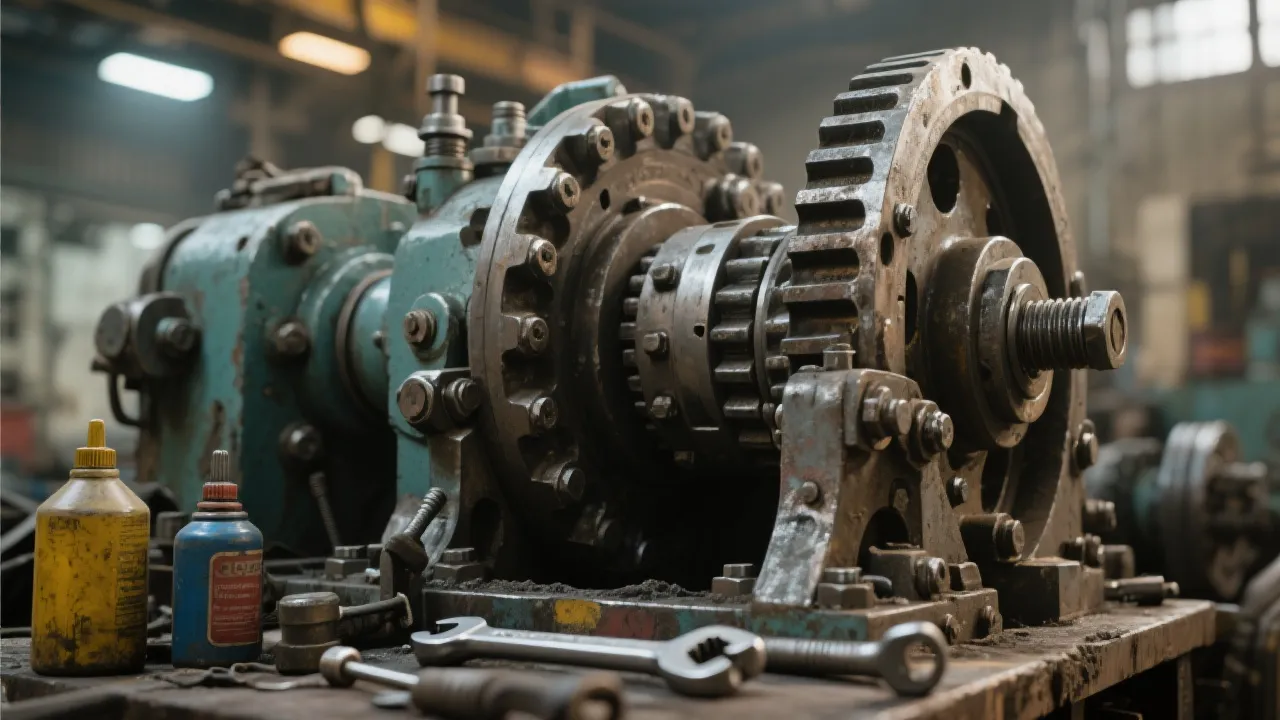
Are you struggling with inconsistent particle size during chemical raw material processing? You're not alone. In industries like cement, fertilizer, and mineral refining, ±5% variation in output granularity can lead to downstream inefficiencies—reducing reactor efficiency by up to 12% (based on industry case studies from China and Germany).
Most older models rely on manual wedge adjustments or fixed settings that require downtime for recalibration. This means:
The PFW反击式破碎机 (Impact Crusher) uses a dual-wedge hydraulic mechanism that allows real-time, stepless adjustment of the discharge opening—from 30 mm to 150 mm—with precision under load. Unlike traditional mechanical systems, it integrates with PLC controls for automated operation.
“Since installing the PFW model, our limestone feed consistency improved from ±8% to ±2%. We now reduce reprocessing waste by 18% monthly.” — Plant Manager, Jiangsu Chemical Co.
| Material Type | Recommended Discharge Gap (mm) | Key Consideration |
|---|---|---|
| Limestone | 50–70 | High compressive strength; avoid over-crushing |
| Coal Gangue | 80–120 | Lower hardness—optimize for throughput vs. fines |
Q: How do I know if the adjustment is correct?
A: Run a 10-minute test cycle and collect 3 samples. If all pass sieve analysis within ±2%, the setting is stable.
Q: Can this be integrated into existing automation systems?
A: Yes—it supports Modbus TCP/IP communication and can be connected to SCADA systems for remote monitoring.
By adopting smart, responsive technologies like the PFW double-wedge system, chemical processors gain not only tighter control over particle size but also significant gains in operational flexibility and reduced labor costs.
Explore how the PFW Impact Crusher transforms your production line with precise, automated granular control.
Learn More About the PFW Impact Crusher → 391
|
391
|
 PEW jaw crusher
metal ore crushing
crusher maintenance techniques
iron ore crushing efficiency
crusher clogging solutions
191
|
PE jaw crusher application skills
common mistakes in metal ore crushing
jaw crusher discharge opening adjustment method
high-strength cast steel eccentric shaft
crusher technology popularization
338
|
metal ore crushing feed size
PE jaw crusher
efficient crushing circuit design
ore processing optimization
energy-efficient mining equipment
420
|
Impact crusher for construction waste treatment
PF - 1315 crusher wear - resistant technology
Recycled aggregates from construction waste
High - precision digital processing crusher
Construction waste resource recycling solutions
269
|
impact crusher for construction waste
high-rebar demolition debris processing
PF-1315 crusher optimization
crushed stone screening configuration
building material recycling technology
PEW jaw crusher
metal ore crushing
crusher maintenance techniques
iron ore crushing efficiency
crusher clogging solutions
191
|
PE jaw crusher application skills
common mistakes in metal ore crushing
jaw crusher discharge opening adjustment method
high-strength cast steel eccentric shaft
crusher technology popularization
338
|
metal ore crushing feed size
PE jaw crusher
efficient crushing circuit design
ore processing optimization
energy-efficient mining equipment
420
|
Impact crusher for construction waste treatment
PF - 1315 crusher wear - resistant technology
Recycled aggregates from construction waste
High - precision digital processing crusher
Construction waste resource recycling solutions
269
|
impact crusher for construction waste
high-rebar demolition debris processing
PF-1315 crusher optimization
crushed stone screening configuration
building material recycling technology







.jpg?x-oss-process=image/resize,m_fill,h_800,w_800/format,webp)


.jpg?x-oss-process=image/resize,m_fill,h_800,w_800/format,webp)


 Facebook