
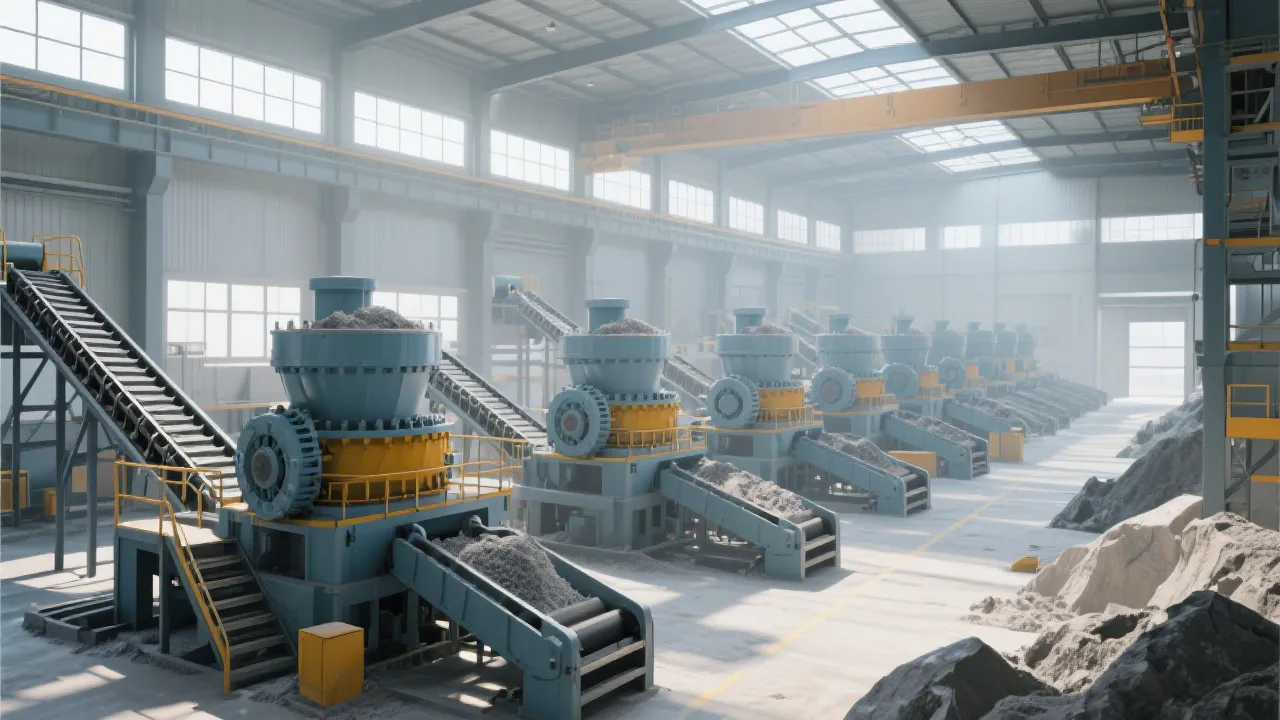
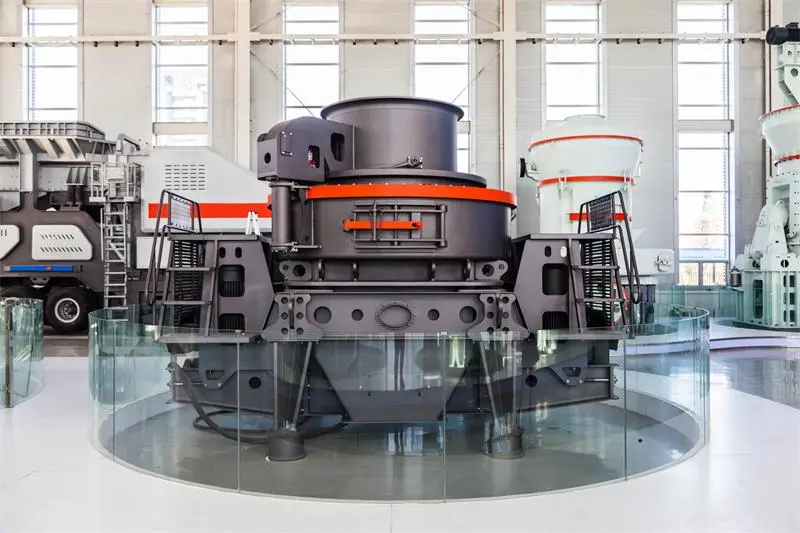
As chemical manufacturers increasingly source raw materials directly from mines—like phosphate rock, fluorite, and gypsum—the demand for reliable, efficient, and adaptable crushing equipment has never been higher. Traditional jaw crushers often fall short in handling these abrasive and variable feedstocks. That’s where the PFW impact crusher steps in—not just as an alternative, but as a strategic upgrade for process optimization.
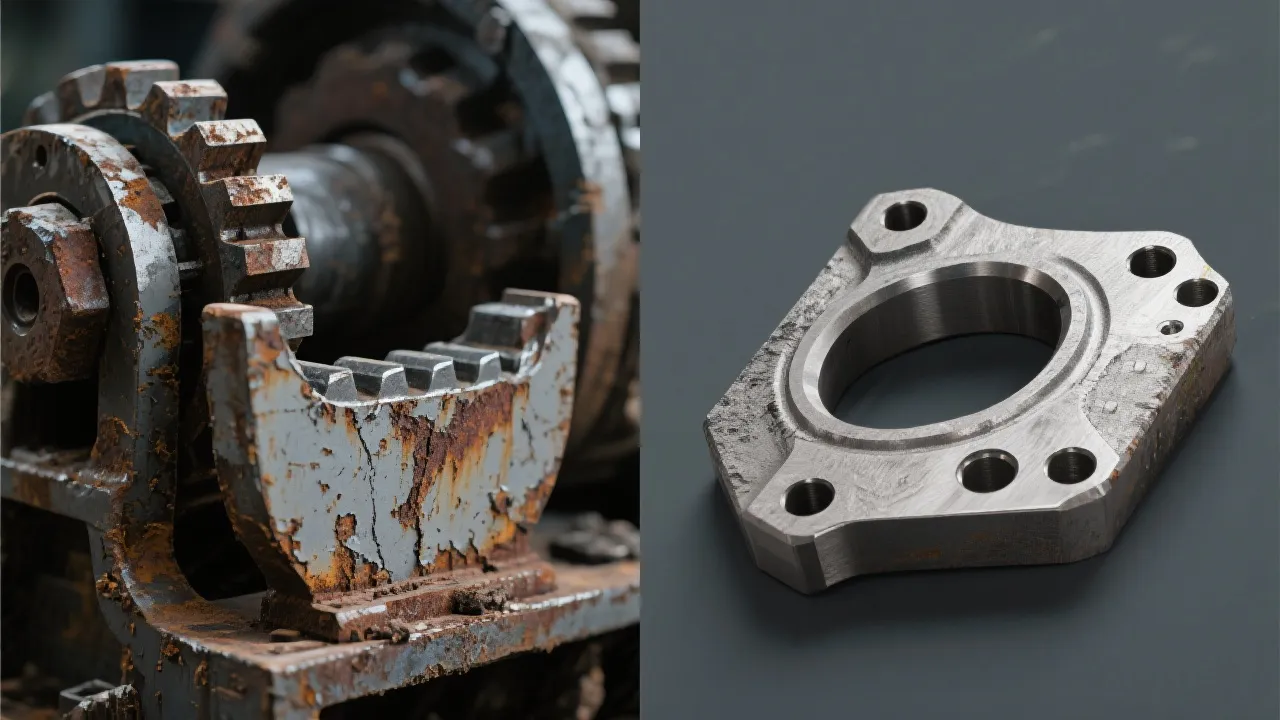
Let’s break down why PFW models outperform traditional jaw crushers in real-world applications:
Real-World Result: A Middle Eastern chemical company reported a 27% increase in throughput after switching from jaw to PFW crushing for fluorite ore—while reducing annual spare parts costs by $18K.
Whether it's low-hardness gypsum (Mohs scale ~2), medium-hardness fluorite (~4), or brittle phosphate rock (~5), PFW crushers adapt seamlessly due to their adjustable rotor speed and wear-resistant liner design.
For example:
Pro Tip: When integrating PFW into your existing line, start with a pilot run using 30% capacity to fine-tune settings before full-scale deployment.
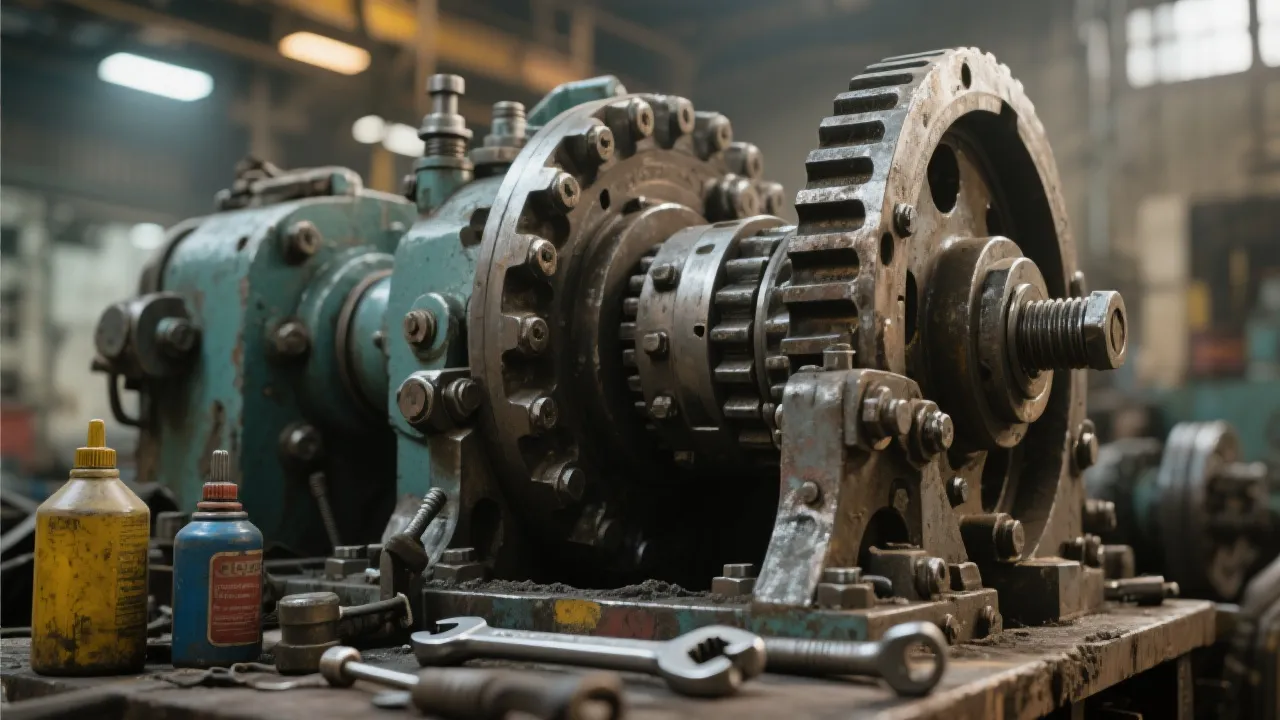
The centralized lubrication system keeps bearings cool even during 24/7 operation—a major factor in reducing unplanned shutdowns. In one case study from South Africa, this feature alone extended bearing life by 6 months per unit, saving $5K per machine annually in replacement costs.
With global supply chains tightening and sustainability goals rising, choosing a crusher that balances performance, durability, and operational simplicity isn’t just smart—it’s essential.
Discover how our PFW impact crushers can transform your chemical raw material handling—from lab-tested specs to real-world ROI.
Explore PFW Crusher Solutions → 335
|
335
|
 VSI6X Sand Making Machine
efficient low-cost sand making equipment
sand making shaping patented technology
361
|
limestone crushing equipment configuration
granite crushing challenges
basalt crushing solutions
impact crusher selection guide
crushing equipment parameter optimization
153
|
jaw crusher efficiency
crushing chamber design optimization
ore crushing technology
PEW jaw crusher
common jaw crusher faults
431
|
construction waste crushing equipment selection
impact crusher vs jaw hammer crusher
recycled aggregate particle shape control
construction waste crushing efficiency
high wear-resistant crusher
316
|
non-metallic mineral crusher
PEW jaw crusher
crushing process optimization
stone crushing equipment
construction aggregate production
VSI6X Sand Making Machine
efficient low-cost sand making equipment
sand making shaping patented technology
361
|
limestone crushing equipment configuration
granite crushing challenges
basalt crushing solutions
impact crusher selection guide
crushing equipment parameter optimization
153
|
jaw crusher efficiency
crushing chamber design optimization
ore crushing technology
PEW jaw crusher
common jaw crusher faults
431
|
construction waste crushing equipment selection
impact crusher vs jaw hammer crusher
recycled aggregate particle shape control
construction waste crushing efficiency
high wear-resistant crusher
316
|
non-metallic mineral crusher
PEW jaw crusher
crushing process optimization
stone crushing equipment
construction aggregate production


.jpg?x-oss-process=image/resize,h_800,m_lfit/format,webp)









 Facebook