
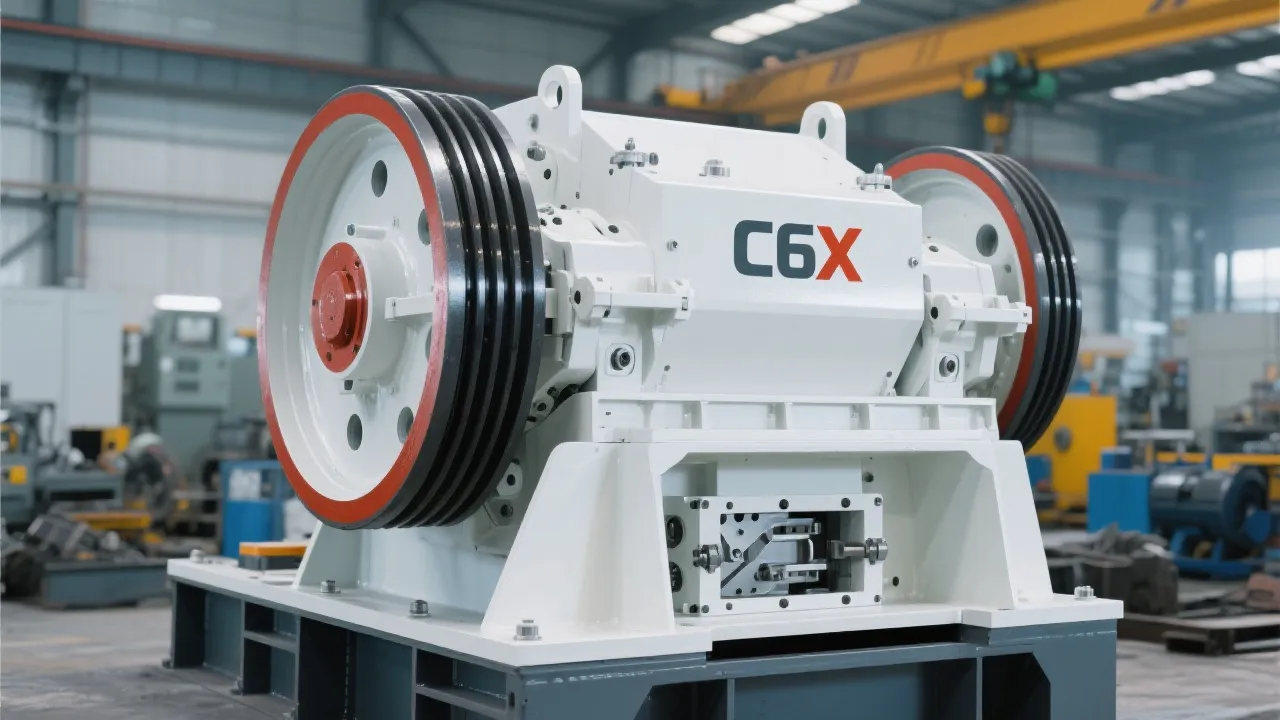
Impact crushers are widely used in the mining and construction industries, especially in the recycling of construction waste. However, bearing overheating is a common problem that can lead to equipment failure, increased maintenance costs, and reduced production efficiency. This article, based on the thirty - year experience of Zhengzhou Kuanglian Machinery in the mining crushing industry, delves into the causes of bearing overheating in impact crushers and proposes preventive maintenance solutions.
The first step in dealing with bearing overheating is to accurately identify the phenomenon. Generally, a temperature rise of more than 20 - 30°C above the normal operating temperature can be considered abnormal. Diagnostic techniques include using infrared thermometers to measure the bearing temperature and vibration sensors to detect abnormal vibrations. According to industry statistics, about 70% of bearing failures can be detected in advance through vibration analysis.
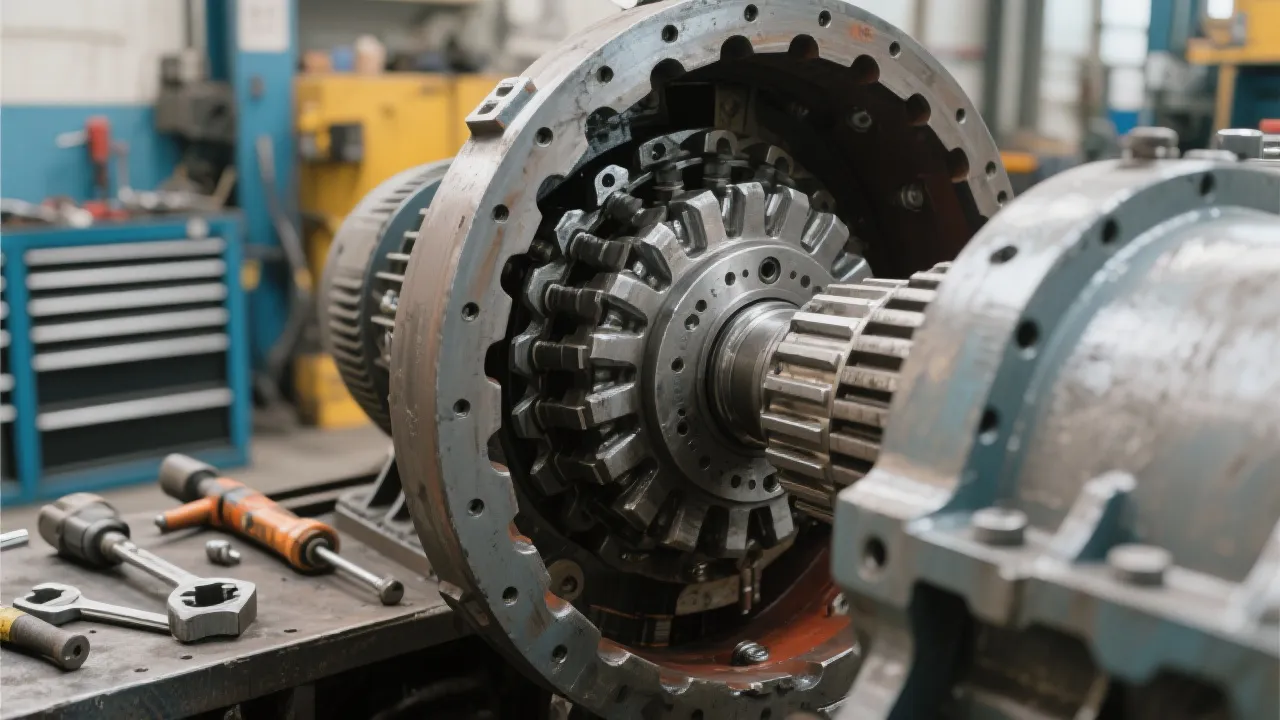
Lubrication Issues: Inadequate or improper lubrication is one of the main causes of bearing overheating. Insufficient lubricant can lead to increased friction between the bearing components, while using the wrong type of lubricant may not provide adequate protection. Studies show that about 40% of bearing failures are related to lubrication problems.
Uneven Feeding: When the crusher is fed unevenly, it can cause uneven stress on the bearings, leading to overheating. For example, if large pieces of construction waste are fed in a concentrated manner, it can increase the load on one side of the bearing.
Worn Liners: Worn liners can cause the crusher to vibrate excessively, which in turn puts additional stress on the bearings. In construction waste recycling, the abrasive nature of the waste can accelerate liner wear.
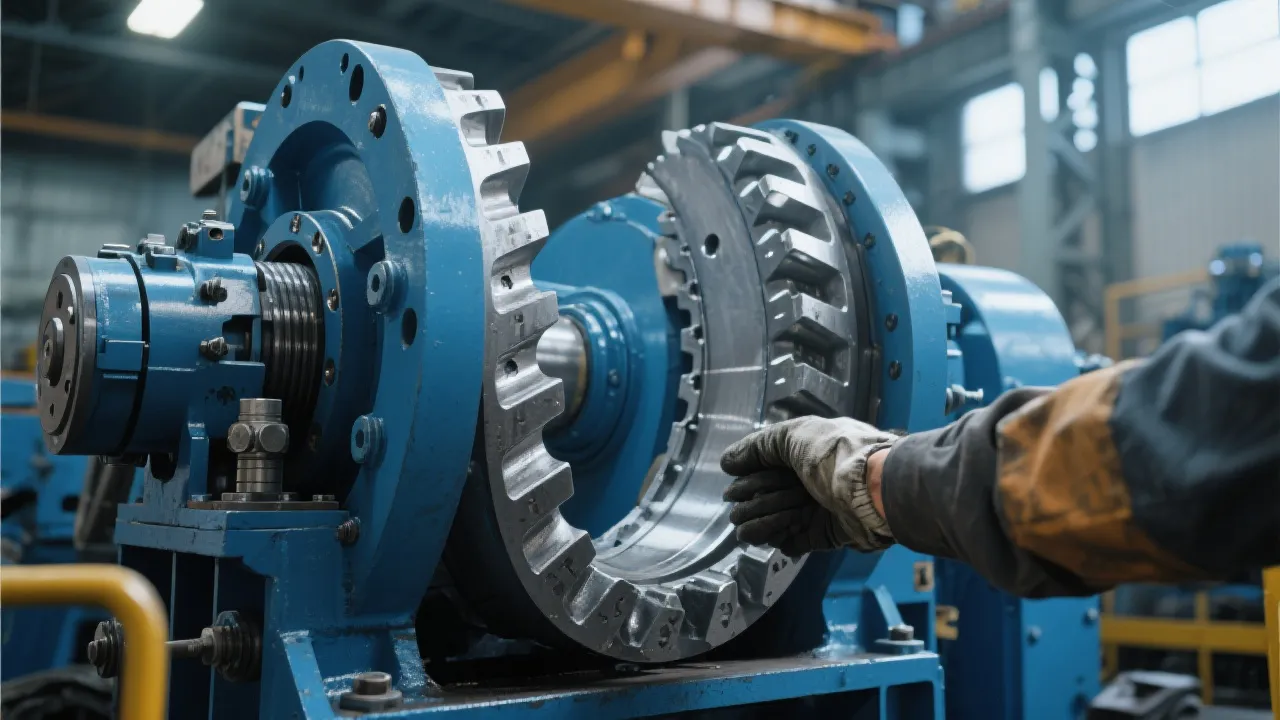
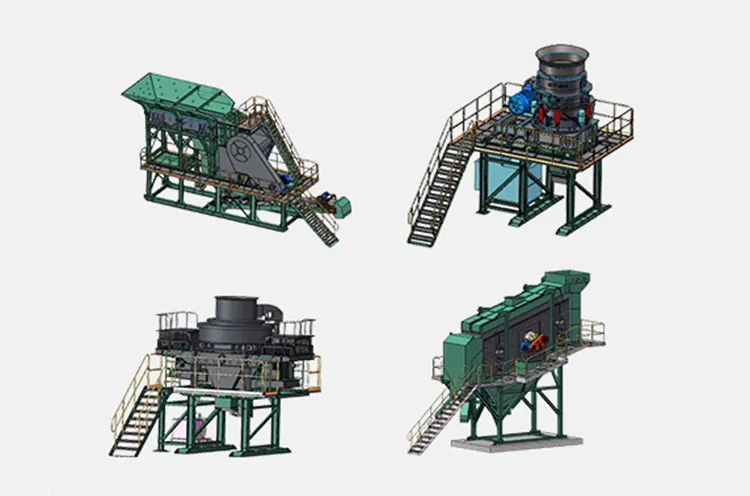
Digital processing technology can significantly improve the wear resistance of crusher components and reduce mechanical stress. By using advanced manufacturing techniques, the precision of the components can be improved, which helps to ensure more uniform stress distribution on the bearings. For example, digital - controlled machining can reduce the surface roughness of the bearing seats, reducing friction and heat generation.
It is essential to establish a standardized inspection and maintenance system to prevent bearing overheating. Regular inspections can detect potential problems early. For example, daily inspections can check the lubricant level and the condition of the liners, while weekly or monthly inspections can include more in - depth checks such as bearing clearance measurement. According to industry best practices, a well - established maintenance system can reduce equipment downtime by up to 30%.
Due to the special properties of construction waste, such as high abrasiveness and the presence of various foreign objects, customized maintenance plans are required. For example, more frequent lubricant changes may be needed, and additional protective measures can be taken for the bearings to prevent contamination.
In conclusion, by understanding the causes of bearing overheating in impact crushers and implementing preventive maintenance solutions, equipment operators can improve the stability and lifespan of the crushers, ensuring the profitability of construction waste recycling projects. To learn more about our preventive maintenance solutions, download our maintenance manual or schedule a technical consultation today.
 272
|
272
|
 Metal ore crushing
Iron ore crushing efficiency improvement methods
PEW Jaw Crusher application guide
Jaw Crusher daily maintenance skills
Crusher output fluctuation control
349
|
VSI6X Sand Making Machine
New Equipment in Sand Production Industry
Energy-Efficient Sand Making Machine
Long-Life Sand Making Equipment
Sustainable Development in Sand Production
460
|
impact crusher efficiency optimization
rotor imbalance troubleshooting
hammer wear patterns
crushing machine energy saving
rotor dynamic balancing test
389
|
Stable operation of impact crushers
Extension of crusher vulnerable parts life
Mine equipment maintenance skills
Crushing solutions for high-humidity mining areas
Application of intelligent lubrication systems
391
|
Non-metallic ore crushing
PEW jaw crusher
Crushing process flow
Equipment selection
Capacity optimization
Metal ore crushing
Iron ore crushing efficiency improvement methods
PEW Jaw Crusher application guide
Jaw Crusher daily maintenance skills
Crusher output fluctuation control
349
|
VSI6X Sand Making Machine
New Equipment in Sand Production Industry
Energy-Efficient Sand Making Machine
Long-Life Sand Making Equipment
Sustainable Development in Sand Production
460
|
impact crusher efficiency optimization
rotor imbalance troubleshooting
hammer wear patterns
crushing machine energy saving
rotor dynamic balancing test
389
|
Stable operation of impact crushers
Extension of crusher vulnerable parts life
Mine equipment maintenance skills
Crushing solutions for high-humidity mining areas
Application of intelligent lubrication systems
391
|
Non-metallic ore crushing
PEW jaw crusher
Crushing process flow
Equipment selection
Capacity optimization

.jpg?x-oss-process=image/resize,h_800,m_lfit/format,webp)






.jpg?x-oss-process=image/resize,m_fill,h_800,w_800/format,webp)




 Facebook