
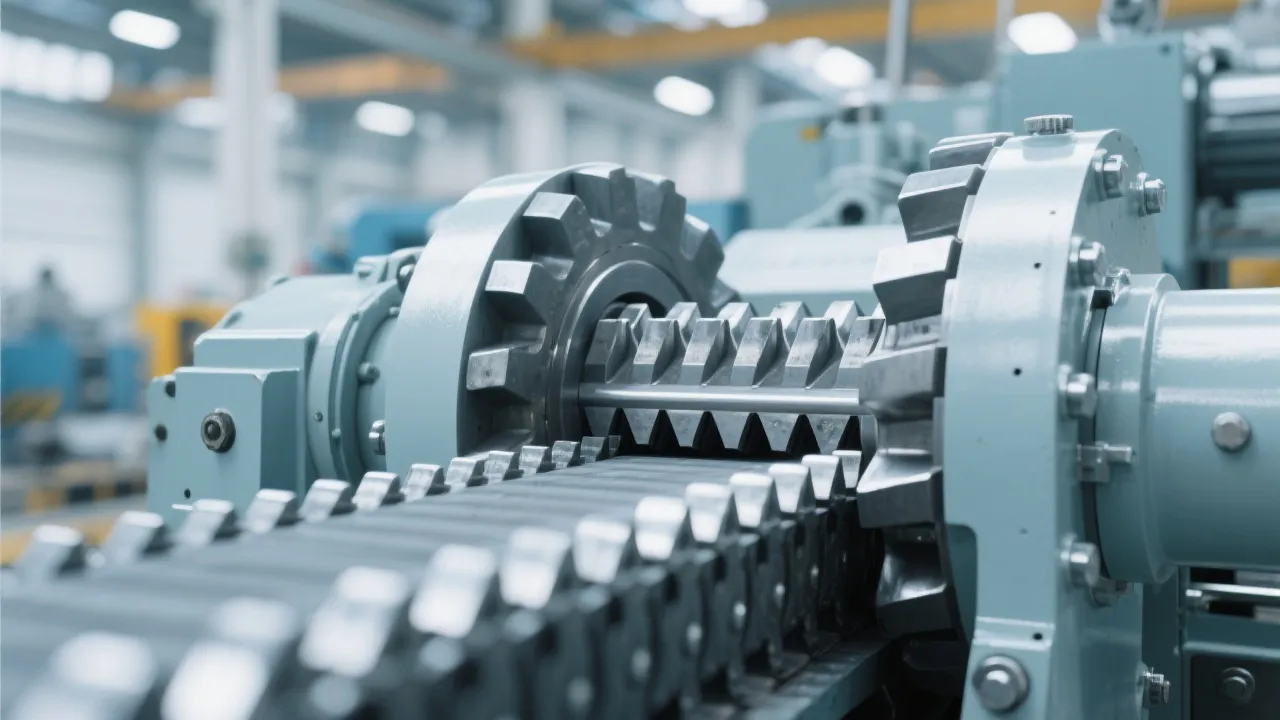
Quarry managers frequently encounter a perplexing issue: crushing equipment appears to function normally yet yields disappointing production results. Understanding and tackling this problem requires a detailed assessment of the equipment’s operational efficiency, focusing on metrics that truly reflect its performance in real-world conditions. This article dives deep into three critical indicators — specific energy consumption, hourly output stability, and mean time between failures — providing a structured framework to diagnose and improve crushing equipment efficiency in quarries.
Specific Energy Consumption (SEC) defines the amount of energy required to produce one ton of crushed material. In quarry operations, an efficient crushing system typically consumes between 15 to 25 kWh per ton, depending on rock type and equipment technology. Higher-than-expected SEC values often hint at equipment wear, inadequate calibration, or suboptimal crushing parameters.
Engineering teams must implement real-time monitoring devices and regularly compare energy input records with output tonnage to detect anomalies. For example, a 10% increase in SEC over baseline norms may correspond to a 5%-10% drop in throughput or indicate early-stage mechanical issues.
Beyond total output, stability of hourly production serves as a direct reflection of operational reliability. Fluctuating output often disrupts downstream processing, inventory control, and contract fulfillment. Tracking hourly tonnage against target capacity exposes bottlenecks caused by feed variability, equipment blockages, or suboptimal operational parameters.
A well-maintained crushing system should maintain hourly output within ±5% of its rated capacity. Fluctuations exceeding ±10% require immediate investigation—common causes include inconsistent feed size, worn liners, or hydraulic system delays.
MTBF is a key reliability metric representing the average operational time between equipment breakdowns. Higher MTBF values correlate directly with better production uptime and lower repair costs. Industry benchmarks for modern quarry crushing equipment suggest MTBF values ranging from 500 to 800 operating hours.
Monitoring MTBF enables proactive maintenance scheduling, reducing unplanned stoppages. For instance, a decline in MTBF by 20% over six months signals the need for comprehensive equipment evaluation to prevent cascading failures.
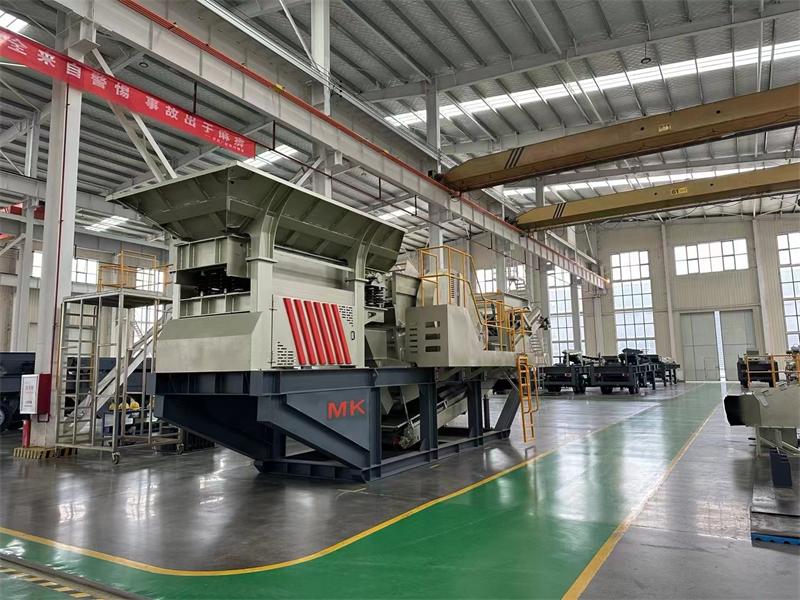
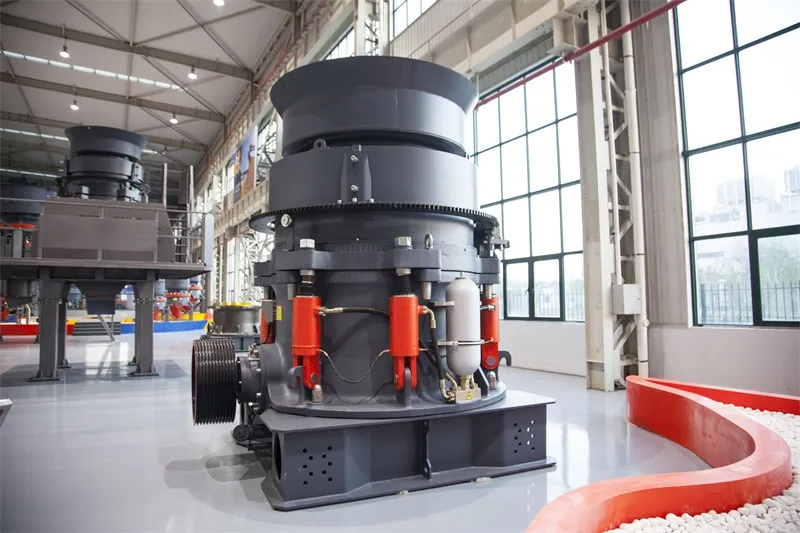
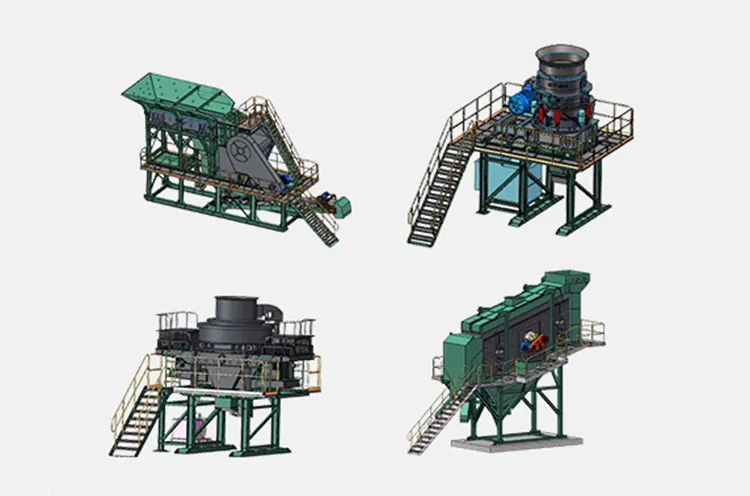
Traditional fixed crushing stations often struggle with maintenance complexity and inflexible configurations, leading to longer downtimes and higher lifecycle costs. Modular crushing systems, such as those provided by Minelink’s SMP series, offer configurable modules tailored to diverse quarry needs.
The modular approach enables rapid swapping of components, streamlined troubleshooting, and simplified preventive maintenance—cutting maintenance time by up to 30% according to field data. Such systems also proactively support stable hourly output and help maintain optimal energy consumption by facilitating quick adjustments and upgrades.
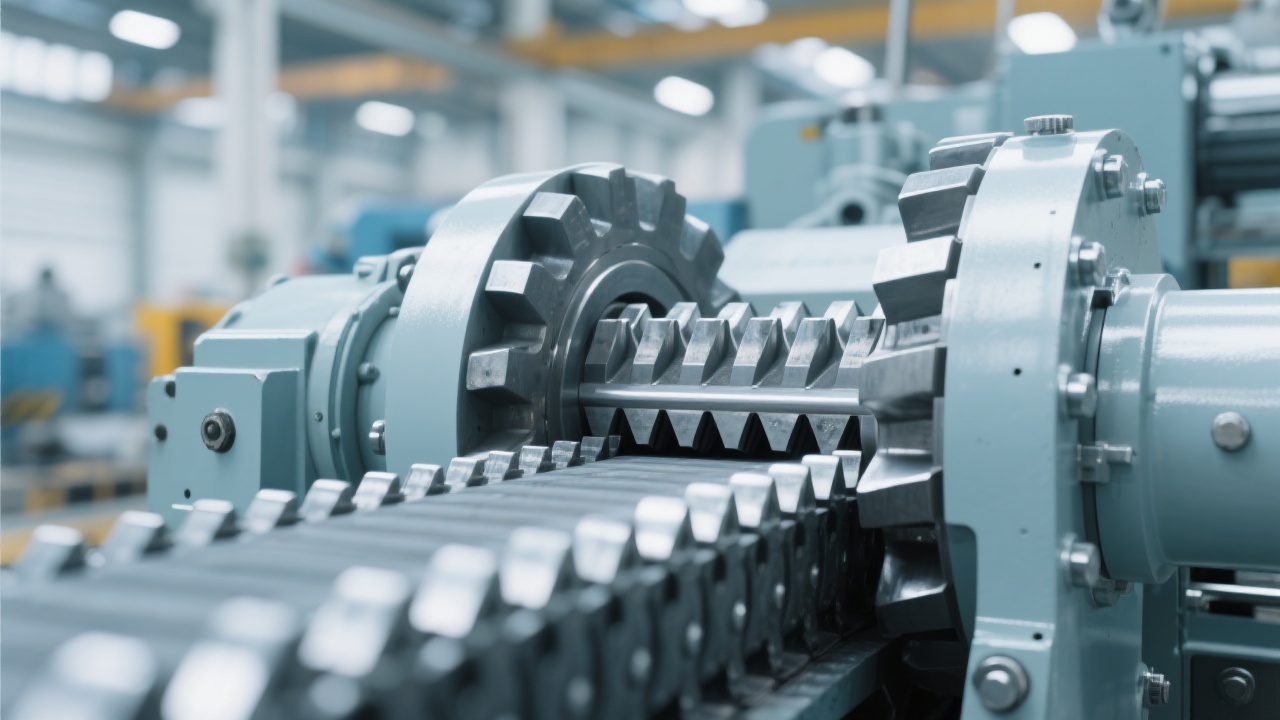
Frontline technicians and quarry managers can boost equipment health management by integrating diagnostic tools such as vibration analyzers, thermal imaging cameras, and load monitoring sensors. Coupled with structured daily inspection checklists, these tools facilitate early detection of anomalies affecting efficiency metrics.
A sample daily checklist focuses on:
Implementing these routines systematically enables continuous optimization and extends equipment lifespan.

| Feature | Fixed Crushing Equipment | Modular Crushing Equipment (e.g., Minelink SMP) |
|---|---|---|
| Maintenance Convenience | Longer & Complex | Streamlined, Component Swapping |
| Unplanned Downtime Frequency | Higher | Significantly Reduced |
| Energy Efficiency (kWh/ton) | 20-30 | 15-22 |
| Hourly Output Stability | ±10-15% | ±5% |
| Flexibility & Scalability | Limited | High, Modular Configuration |
This comparison emphasizes how adopting modular crushing equipment substantially improves key efficiency metrics, aligning with modern quarry operational goals.
 78
|
78
|
 crushing plant process design
infrastructure aggregate production line
crusher and screening optimization
automated crushing control system
vibrating screen configuration
263
|
smart gyratory crusher
Middle East basalt crushing
basalt ore processing efficiency
remote monitoring crushing system
heavy-duty crusher design
194
|
intelligent gyratory crusher
Middle East basalt crushing
low operating cost crushing equipment
mine intelligent solution
heavy-duty frame crusher
273
|
crushing plant intelligent control system
stone crushing production line automation
remote monitoring for mining equipment
fault early warning for crushers
crushing process optimization
284
|
HPT cone crusher
intelligent hydraulic lubrication system
crusher failure rate reduction
mining equipment maintenance
PLC monitoring system
crushing plant process design
infrastructure aggregate production line
crusher and screening optimization
automated crushing control system
vibrating screen configuration
263
|
smart gyratory crusher
Middle East basalt crushing
basalt ore processing efficiency
remote monitoring crushing system
heavy-duty crusher design
194
|
intelligent gyratory crusher
Middle East basalt crushing
low operating cost crushing equipment
mine intelligent solution
heavy-duty frame crusher
273
|
crushing plant intelligent control system
stone crushing production line automation
remote monitoring for mining equipment
fault early warning for crushers
crushing process optimization
284
|
HPT cone crusher
intelligent hydraulic lubrication system
crusher failure rate reduction
mining equipment maintenance
PLC monitoring system
.jpg?x-oss-process=image/resize,h_800,m_lfit/format,webp)








 Facebook