

If you manage a quarry, you’ve likely faced the frustrating scenario where your crushing equipment seems to be operating normally — motors running, no visible faults — yet the output falls short of expectations. This disconnect between perceived equipment health and actual productivity can undermine schedule adherence and escalate operational costs.
Let’s break down three critical efficiency indicators that help you objectively assess your crusher’s real-world performance: unit energy consumption, hourly production stability, and mean time between failures (MTBF). Understanding and monitoring these can guide you from “gut-feeling management” towards precise, data-driven decisions — turning inefficiencies into opportunities for impactful improvements.
Simply put, this metric reveals how much electrical energy is consumed to process a single ton of material. A rising kWh/ton ratio often indicates hidden issues like wear-induced inefficiencies or suboptimal operational parameters.
How to measure: Track your energy meter readings alongside precise output tonnage over regular intervals (hourly or per shift). Calculate the ratio by dividing total kWh consumed by total tons crushed.
Fluctuations in hourly throughput can hiddenly erode daily production targets. Monitoring the coefficient of variation (%) in output across multiple hours shines a light on unexpected bottlenecks or inconsistent feed management.
Measurement process: Record hourly tonnage over a representative period (e.g., one week), then calculate the standard deviation divided by the mean production rate, expressed as a percentage.
MTBF tracks the average operational time between unscheduled breakdowns. Higher MTBF signals robust equipment health and optimized maintenance strategies. For many quarry crushers, an MTBF increase by 20% or more significantly boosts overall uptime.
Gathering MTBF data: Log all downtime incidents and durations systematically over months, then divide total operational hours by number of breakdowns.

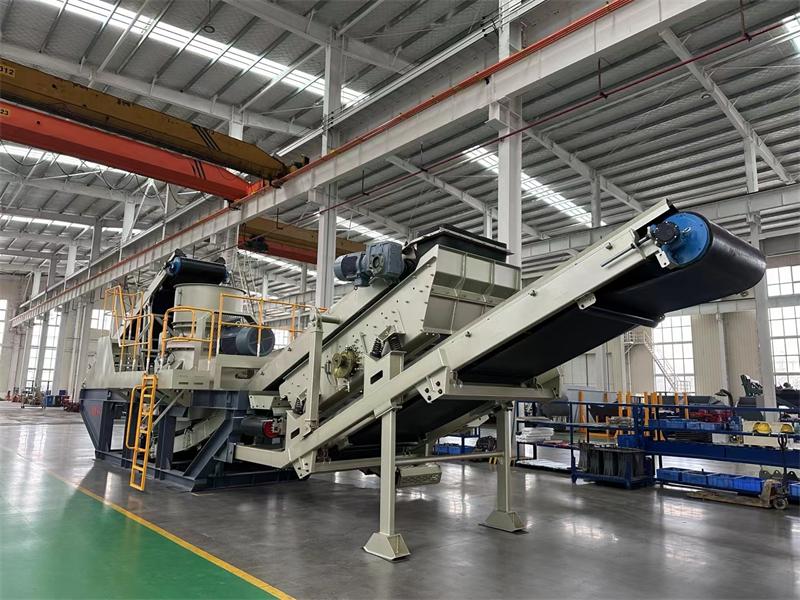
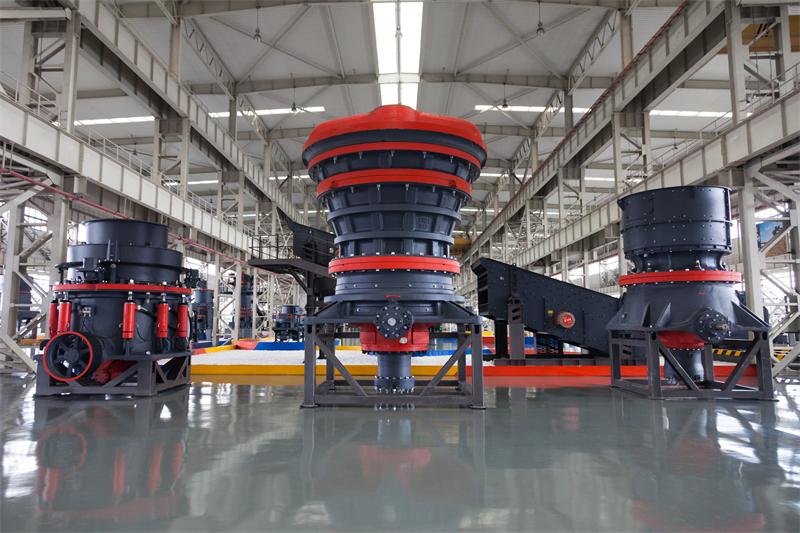
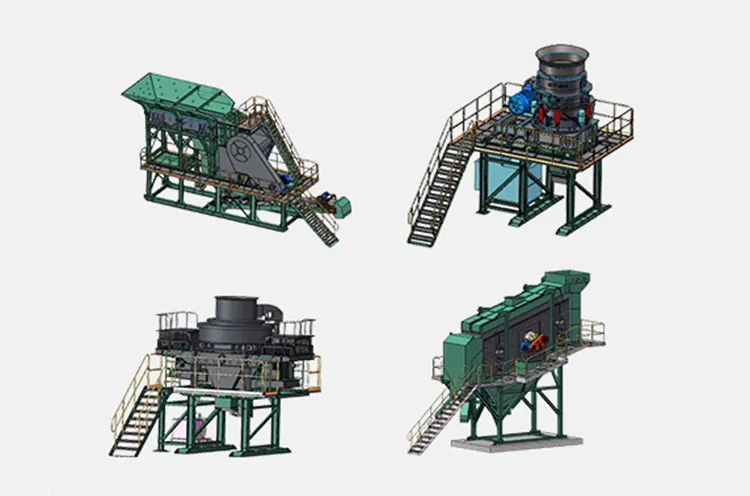
Traditional fixed-configuration crushers often suffer from prolonged non-planned downtime due to complex component replacements. Modular crushing platforms, like the SMP system, empower rapid MP module replacement — typically slashing unscheduled downtime by over 30%. This means your site spends more time crushing and less time waiting.
The modular approach also enables incremental upgrades with minimal disruption, supporting agility that aligns with shifting quarry demands. Coupling these design benefits with continuous efficiency monitoring fosters a comprehensive strategy for productivity gains.
| Feature | Modular Crusher System | Traditional Fixed System |
|---|---|---|
| Maintenance Flexibility | Rapid MP module swaps, on-site replacement | Complex disassembly, long downtime |
| Non-Planed Downtime Reduction | ≥30% decrease | Minimal reduction |
| Long-Term Operational Efficiency | Higher uptime and consistent output | Variable output & higher maintenance frequency |
| Maintenance Cost | Lower total cost via modular parts | Higher due to labor and downtime |
Effective equipment management depends on timely monitoring. Implementing standardized daily inspection routines — using tools such as vibration analyzers and infrared thermometers — empowers your team to detect early warning signs before performance degrades.
For instance, vibration anomalies often precede bearing wear, while infrared temperature spikes can highlight lubrication issues. Regularly updating an equipment health log consolidates these insights, enabling strategic maintenance planning aligned with real operating conditions.
Here is a snapshot of an essential daily checklist you can adapt:
 357
|
357
|
 construction waste crushing
high clay content screening
equipment clogging prevention
modular crushing plant MP modules
automated crushing control system
248
|
HPT multi-cylinder hydraulic cone crusher
intelligent hydraulic lubrication system
PLC real-time monitoring
cone crusher failure reduction
mining crushing maintenance optimization
394
|
multi-cylinder hydraulic cone crusher
crushing ratio improvement
product size stability
intelligent hydraulic system
PLC control system
210
|
crushing production line intelligent control
stone processing automation solution
mining equipment remote monitoring system
crushing process optimization
intelligent mining equipment
253
|
HPT hydraulic cone crusher
pebble crushing equipment
crushing capacity and reduction ratio
finished particle size control
PLC hydraulic lubrication system
construction waste crushing
high clay content screening
equipment clogging prevention
modular crushing plant MP modules
automated crushing control system
248
|
HPT multi-cylinder hydraulic cone crusher
intelligent hydraulic lubrication system
PLC real-time monitoring
cone crusher failure reduction
mining crushing maintenance optimization
394
|
multi-cylinder hydraulic cone crusher
crushing ratio improvement
product size stability
intelligent hydraulic system
PLC control system
210
|
crushing production line intelligent control
stone processing automation solution
mining equipment remote monitoring system
crushing process optimization
intelligent mining equipment
253
|
HPT hydraulic cone crusher
pebble crushing equipment
crushing capacity and reduction ratio
finished particle size control
PLC hydraulic lubrication system












 Facebook