
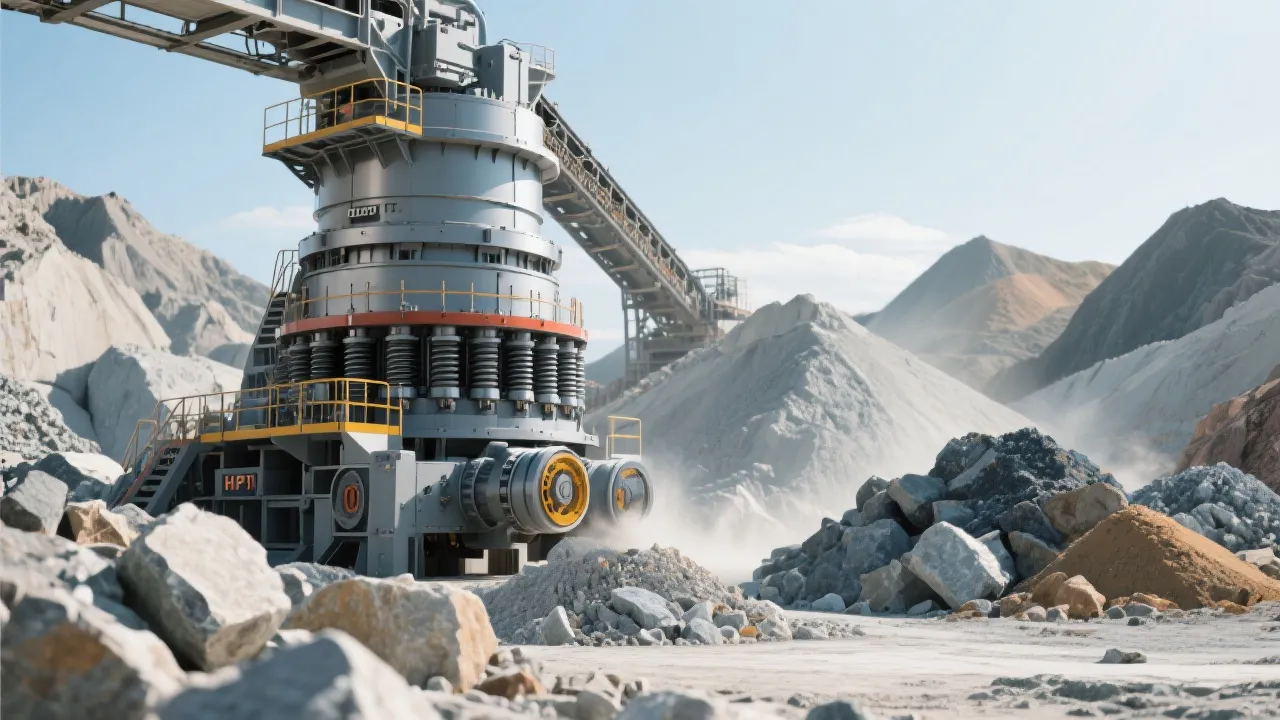
Infrastructure development projects face increasing pressure to deliver maximum value while adhering to strict budget constraints. Nowhere is this challenge more evident than in aggregate processing operations, where the efficiency of stone crushing plants directly impacts project profitability. This comprehensive guide reveals proven strategies for optimizing crushing plant design to reduce capital expenditure by up to 22% while simultaneously increasing production capacity by an average of 15-20%.
Traditional stone crushing plant designs often follow a one-size-fits-all approach, leading to overcapacity in some areas and bottlenecks in others. Industry data shows that improperly configured plants typically operate at only 65-70% of their optimal efficiency, resulting in unnecessary capital expenditure and operational waste.
"Our initial crushing setup was costing us approximately $42,000 per month in inefficiencies," explains Michael Chen, Project Manager at Eastern Construction Group. "After implementing a scientifically optimized design, we reduced operational costs by 18% while increasing output by 16% within the first quarter."
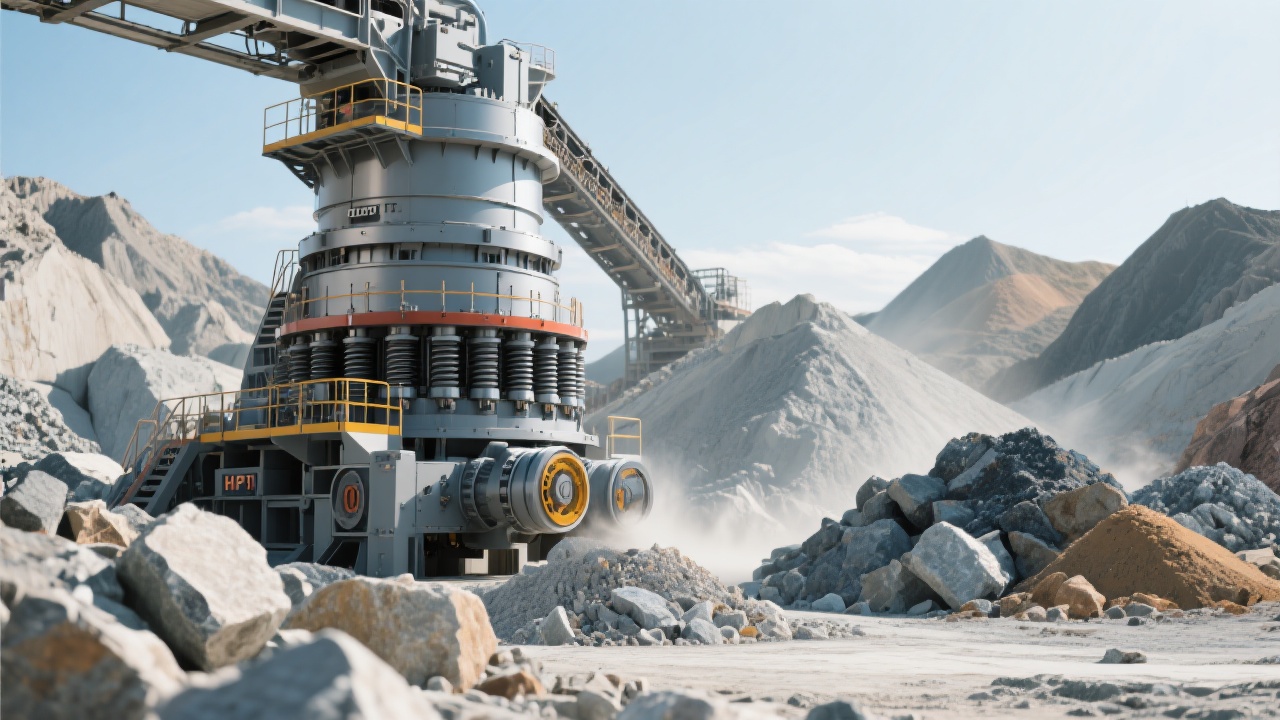
The critical interaction between crushers and vibrating screens represents one of the most significant opportunities for optimization. By analyzing material characteristics and desired end products, engineers can implement a tiered approach that typically reduces equipment investment by 12-15%:
Material handling represents approximately 40% of total energy consumption in typical crushing plants. By reengineering flow paths and implementing properly sized conveyors, operators can reduce energy costs by 18-22% while minimizing wear and tear on equipment. The key lies in matching conveyor speeds and angles to material characteristics, reducing spillage and unnecessary elevation changes.
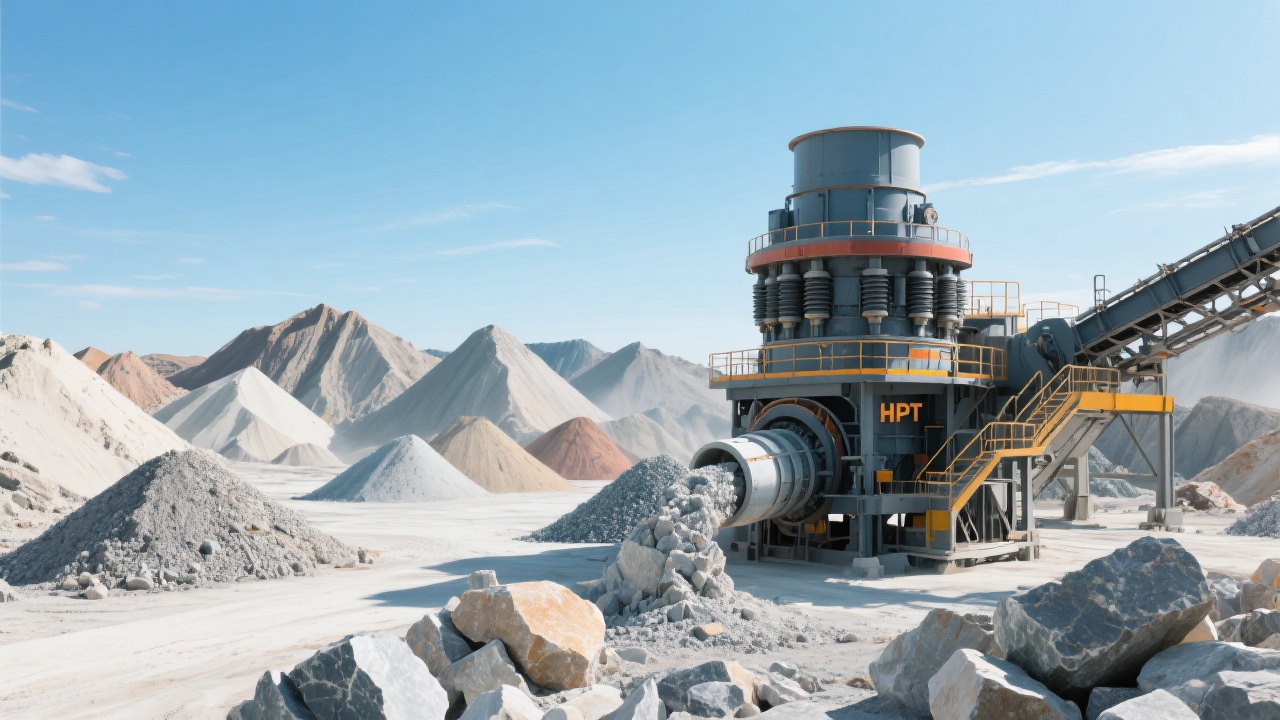
The integration of smart control systems has revolutionized crushing plant efficiency, with properly implemented systems delivering ROI within 12-18 months. These sophisticated platforms offer multiple layers of cost-saving benefits:
Real-time monitoring reduces unplanned downtime by 35-45% by identifying potential equipment failures before they occur
Dynamic adjustment of crusher settings based on feed characteristics improves product consistency by 28%
Load balancing and peak demand management reduces energy costs by an average of 14-17%
A recent highway expansion project in the Midwest faced significant budget constraints while requiring 1.2 million tons of aggregate over an 18-month period. The initial plant design called for a $3.8 million investment with projected operating costs of $18.50 per ton.
By implementing scientific process design principles, the project team achieved the following results:
Every project presents unique challenges based on material characteristics, production requirements, and site constraints. The most successful cost reduction strategies begin with a comprehensive analysis that includes:
Our team of process engineers specializes in developing customized crushing solutions that reduce capital expenditure while maximizing production efficiency.
Get Your Free Process Optimization AssessmentBy approaching stone crushing plant design as a dynamic system rather than a static equipment arrangement, infrastructure projects can achieve substantial cost savings while improving production outcomes. The integration of scientific design principles, strategic equipment selection, and intelligent control systems creates a foundation for operational excellence that delivers value throughout the project lifecycle.
 303
|
303
|
 impact crusher rotor optimization
rotor parameter configuration
crushing efficiency improvement
mining equipment performance
unit capacity increase
415
|
Crusher maintenance techniques
Jaw crusher maintenance
Equipment maintenance guide
C6X jaw crusher
Crusher maintenance solutions
225
|
["jaw crusher maintenance"
"wear part replacement"
"C6X jaw crusher"
"equipment maintenance tips"
"production efficiency improvement"]
194
|
chemical crushing equipment
impact crusher lubrication system
centralized lubrication solution
reduce crusher downtime
automated lubrication management
285
|
Construction waste crushing equipment selection
Impact crusher vs jaw - hammer crusher
Recycled aggregate particle shape control
Crusher equipment parameters
Construction waste recycling solutions
impact crusher rotor optimization
rotor parameter configuration
crushing efficiency improvement
mining equipment performance
unit capacity increase
415
|
Crusher maintenance techniques
Jaw crusher maintenance
Equipment maintenance guide
C6X jaw crusher
Crusher maintenance solutions
225
|
["jaw crusher maintenance"
"wear part replacement"
"C6X jaw crusher"
"equipment maintenance tips"
"production efficiency improvement"]
194
|
chemical crushing equipment
impact crusher lubrication system
centralized lubrication solution
reduce crusher downtime
automated lubrication management
285
|
Construction waste crushing equipment selection
Impact crusher vs jaw - hammer crusher
Recycled aggregate particle shape control
Crusher equipment parameters
Construction waste recycling solutions
.jpg?x-oss-process=image/resize,h_800,m_lfit/format,webp)


.jpg?x-oss-process=image/resize,h_800,m_lfit/format,webp)
.jpg?x-oss-process=image/resize,h_800,m_lfit/format,webp)


.jpg?x-oss-process=image/resize,h_800,m_lfit/format,webp)



.jpg?x-oss-process=image/resize,m_fill,h_800,w_800/format,webp)


.jpg?x-oss-process=image/resize,m_fill,h_800,w_800/format,webp)



 Facebook