

This guide is designed to provide a comprehensive overview of the start - up and parameter optimization processes for the short - head cone crushers manufactured by Zhengzhou Kuanglian Machinery Co., Ltd. It covers key aspects such as start - up preparations, parameter adjustments, discharge opening regulation, cavity cleaning, and hydraulic lubrication system maintenance. By addressing common operational challenges and maintenance bottlenecks, this guide aims to help users enhance production efficiency, improve product quality, and ensure the safe and stable operation of the equipment.
Before starting the short - head cone crusher, a series of preparations and safety checks are essential. First, visually inspect the crusher for any visible damage or loose parts. Check the tightness of bolts, belts, and couplings. Ensure that the feed hopper is clean and free of any foreign objects that could cause blockages.
It is also crucial to check the oil levels in the hydraulic and lubrication systems. For example, the oil level in the hydraulic system should be between the minimum and maximum marks on the sight glass. A typical hydraulic system may have a capacity of around 200 - 300 liters, and maintaining the correct oil level is vital for the proper functioning of the crusher's hydraulic components.
Next, verify the alignment of the drive motor and the crusher shaft. Misalignment can lead to increased wear and tear on the components, potentially reducing the equipment's lifespan. In fact, studies have shown that proper alignment can extend the component life by up to 50%.

Setting the appropriate parameters for the short - head cone crusher is crucial for achieving optimal performance. One of the key parameters is the eccentric speed. A higher eccentric speed generally results in higher production capacity, but it may also lead to increased wear on the cone mantle and concave. For a medium - sized short - head cone crusher, an eccentric speed of around 400 - 500 revolutions per minute (RPM) is often recommended for most applications.
Another important parameter is the crushing ratio. The crushing ratio is defined as the ratio of the maximum feed size to the maximum product size. A typical crushing ratio for short - head cone crushers ranges from 3:1 to 5:1. By adjusting the crushing ratio according to the specific requirements of the production process, users can achieve the desired particle size distribution of the crushed material.
To illustrate the importance of parameter setting, consider a case study of a mining company. By optimizing the eccentric speed and crushing ratio of their short - head cone crusher, they were able to increase the production capacity by 20% and reduce the energy consumption by 15%.
The discharge opening of the short - head cone crusher plays a significant role in determining the product size and production capacity. To adjust the discharge opening, first, loosen the locking nut on the adjusting ring. Then, rotate the adjusting ring clockwise to decrease the discharge opening or counter - clockwise to increase it.
It is important to note that the discharge opening should be adjusted gradually to avoid sudden changes in the production process. A general rule of thumb is to make adjustments in increments of 1 - 2 mm at a time. After each adjustment, perform a test run to ensure that the crusher is operating smoothly and that the desired product size is being achieved.
Here is a table showing the relationship between the discharge opening size and the product size for a typical short - head cone crusher:
| Discharge Opening Size (mm) | Product Size (mm) |
|---|---|
| 10 | 5 - 15 |
| 15 | 8 - 20 |
| 20 | 10 - 25 |
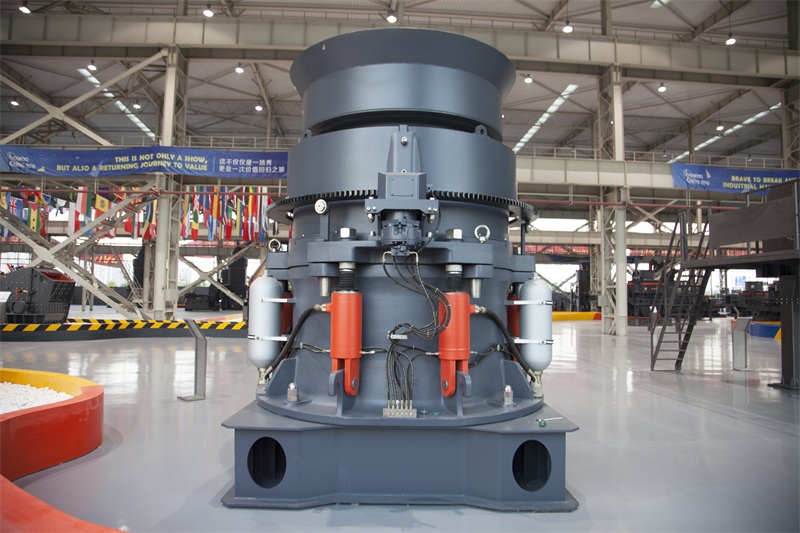
Regular cavity cleaning is necessary to prevent material buildup, which can lead to reduced production efficiency and potential equipment damage. To clean the crusher cavity, first, stop the machine and ensure that it is completely powered off. Then, remove any large chunks of material from the feed hopper and the cavity using appropriate tools.
Next, use a high - pressure water jet or compressed air to clean the remaining fine particles from the cavity walls, cone mantle, and concave. It is recommended to perform cavity cleaning at least once a week, depending on the operating conditions and the type of material being crushed.
Failure to clean the cavity regularly can result in increased friction and heat generation, which may cause premature wear of the components. In one case, a mining company experienced a 30% decrease in production efficiency due to cavity blockage, which was resolved after a thorough cleaning.
The hydraulic lubrication system is the heart of the short - head cone crusher. Regular maintenance of this system is key to ensuring long - term and trouble - free operation. Change the hydraulic oil and the lubricating oil at regular intervals. For the hydraulic oil, it is generally recommended to change it every 2000 - 3000 operating hours, while the lubricating oil should be changed every 1000 - 1500 hours.
Check the oil filters regularly and replace them when they become clogged. A clogged oil filter can restrict the oil flow, leading to insufficient lubrication and potential component damage. In addition, monitor the oil temperature and pressure during operation. Abnormal oil temperature or pressure may indicate a problem with the hydraulic pump, relief valve, or other components.
Here is a basic fault - diagnosis table for the hydraulic lubrication system:
| Fault Symptom | Possible Cause | Solution |
|---|---|---|
| Low oil pressure | Clogged oil filter, pump malfunction | Replace the oil filter, check and repair the pump |
| High oil temperature | Insufficient oil flow, excessive load | Check the oil filter and pump, adjust the load |
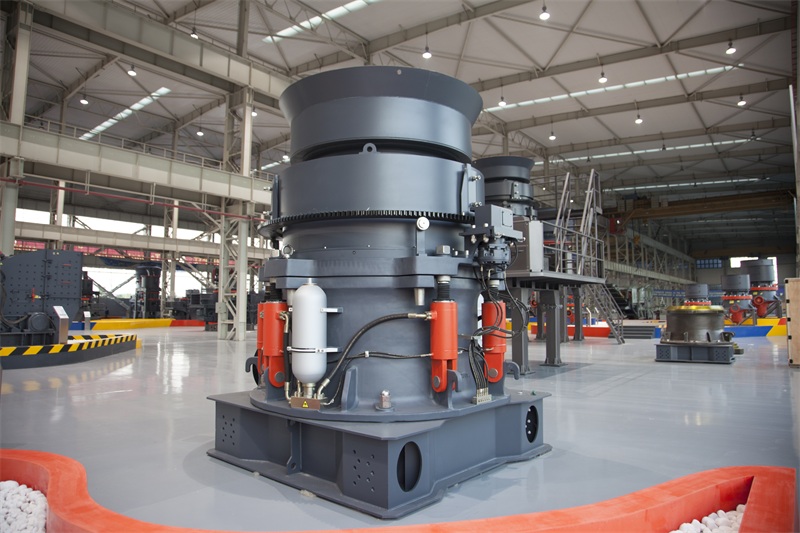
For more in - depth technical resources and support on the operation and maintenance of short - head cone crushers, please visit our official website. Our comprehensive materials and expert advice can help you optimize your crusher's performance and achieve the best results for your mining operations.
 438
|
438
|
 aggregate plant crusher selection
C6X jaw crusher
high-efficiency crusher technology
jaw crusher application tutorial
aggregate production line optimization
450
|
VSI6X sand making machine
efficient sand production equipment
patented technology sand shaping
423
|
Impact crusher rotor design
Crushing efficiency improvement
Rotor parameter optimization
Mining equipment maintenance
Hammer wear law
407
|
VSI6X Sand Making Machine
sand shaping equipment
high-efficiency low-cost sand making machine
new darling of the sand industry
sand making equipment technology guide
402
|
VSI6X Sand Making Machine
efficient low-cost sand making equipment
sand making and shaping solutions
aggregate plant crusher selection
C6X jaw crusher
high-efficiency crusher technology
jaw crusher application tutorial
aggregate production line optimization
450
|
VSI6X sand making machine
efficient sand production equipment
patented technology sand shaping
423
|
Impact crusher rotor design
Crushing efficiency improvement
Rotor parameter optimization
Mining equipment maintenance
Hammer wear law
407
|
VSI6X Sand Making Machine
sand shaping equipment
high-efficiency low-cost sand making machine
new darling of the sand industry
sand making equipment technology guide
402
|
VSI6X Sand Making Machine
efficient low-cost sand making equipment
sand making and shaping solutions













 Facebook