

For mining operations relying on hard rock processing—especially in aggregate, quarrying, and mineral extraction industries—the short head cone crusher is a workhorse. But like any precision machine, its performance hinges not just on design, but on how it’s started, tuned, and maintained. This guide walks you through the full workflow used by experienced operators at Zhengzhou Kuanglian Mining Machinery Co., based on real-world data from over 40 installations across Africa, Southeast Asia, and South America.
Before powering up, ensure these five steps are completed:
One client in Zimbabwe reported a 12% increase in throughput after implementing this checklist consistently—no extra tools, just discipline.
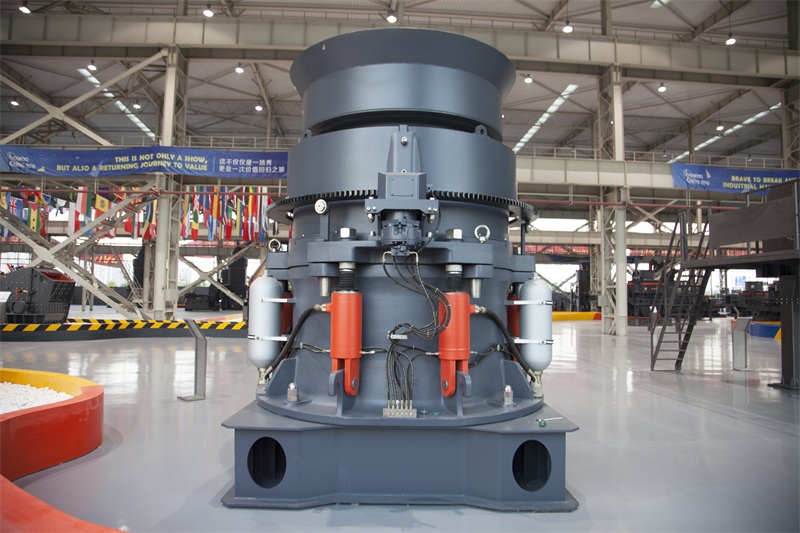
The key to consistent output lies in adjusting two parameters: discharge setting and eccentric speed. For medium-hard rocks (like basalt), set the discharge gap between 12–18 mm and run at 150–180 RPM. In one case study from Indonesia, optimizing these values reduced downtime by 22% and improved product uniformity—critical for downstream processing.
| Parameter | Recommended Range | Impact on Output |
|---|---|---|
| Discharge Gap | 12–18 mm | Higher = finer particles, lower = higher throughput |
| Eccentric Speed | 150–180 RPM | Optimal balance between energy use and crushing force |
A well-maintained hydraulic system can extend service life by 30–40%. Weekly checks of oil temperature (should stay below 60°C), monthly filter replacements, and quarterly bearing inspections prevent unexpected failures. One operator in Saudi Arabia avoided a $15k repair by following this routine—just 30 minutes per week saved thousands.

If your team struggles with inconsistent results or frequent breakdowns, it’s likely not the machine—it’s how it’s being operated. These practices have been validated across multiple sites and can be applied regardless of location or scale.
Access our free technical library with downloadable checklists, parameter guides, and troubleshooting videos—trusted by engineers in over 30 countries.
Download the Full Technical Guide Now 275
|
275
|
 impact crusher adjustment
particle size control
dual wedge mechanism
PFW crusher automation
hydraulic discharge regulation
349
|
VSI6X Sand Making Machine
New Equipment in Sand Production Industry
Energy-Efficient Sand Making Machine
Long-Life Sand Making Equipment
Sustainable Development in Sand Production
64
|
impact crusher material selection
high manganese steel hammer
wear-resistant technology
sealing system for crushers
smart lubrication monitoring
87
|
VSI6X sand making machine
high-efficiency sand production
low-cost sand shaping equipment
338
|
VSI6X Sand Making Machine
patent technology
sand production
efficiency
quality
Zhengzhou Mining Alliance
operational safety
feeding modes
impact crusher adjustment
particle size control
dual wedge mechanism
PFW crusher automation
hydraulic discharge regulation
349
|
VSI6X Sand Making Machine
New Equipment in Sand Production Industry
Energy-Efficient Sand Making Machine
Long-Life Sand Making Equipment
Sustainable Development in Sand Production
64
|
impact crusher material selection
high manganese steel hammer
wear-resistant technology
sealing system for crushers
smart lubrication monitoring
87
|
VSI6X sand making machine
high-efficiency sand production
low-cost sand shaping equipment
338
|
VSI6X Sand Making Machine
patent technology
sand production
efficiency
quality
Zhengzhou Mining Alliance
operational safety
feeding modes







 Facebook