
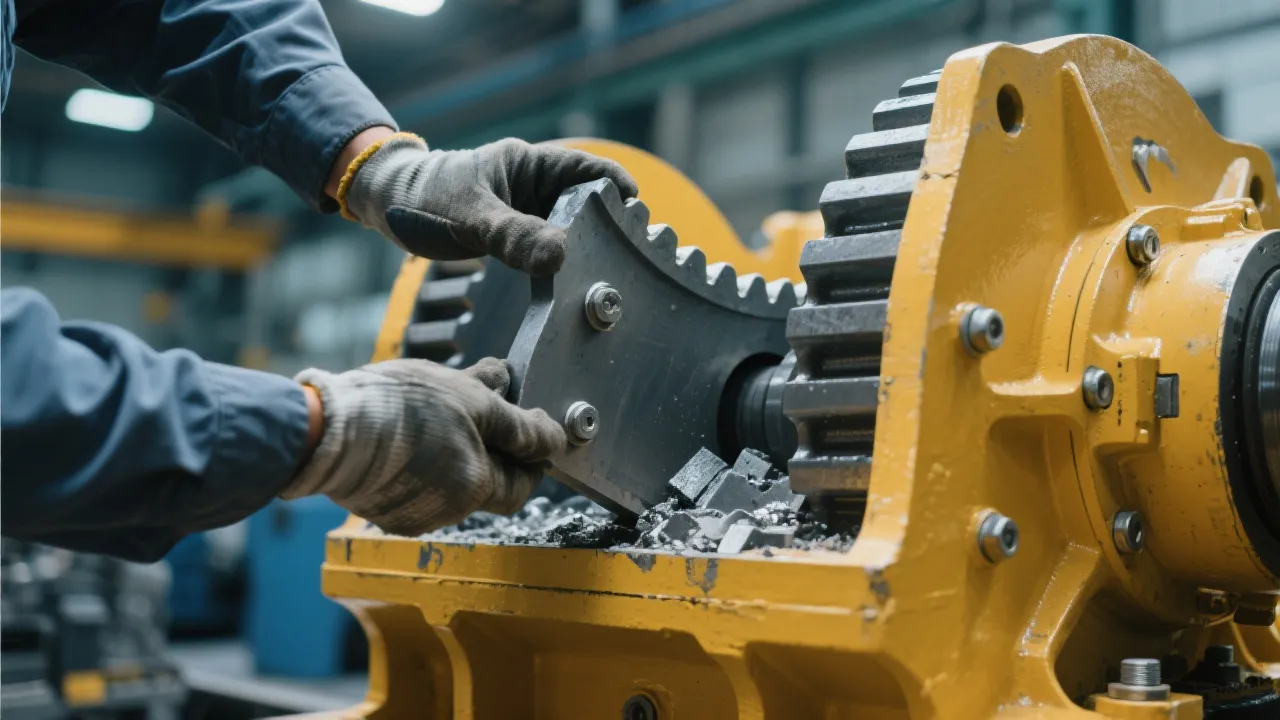
Are you struggling to enhance the efficiency of metal ore crushing? In the realm of metal ore processing, the choice of feed size for jaw crushers is a pivotal factor that directly impacts equipment performance, wear and tear, and the quality of the final product. This article delves deep into the effects of different feed sizes ranging from 0 to 1020mm on the operation of jaw crushers, offering a comprehensive guide on scientific equipment selection and practical operation.
The feed size of a jaw crusher significantly affects its operation efficiency, the lifespan of vulnerable parts, and the shape of the output particles. In the 0 - 1020mm feed range, each particle size segment has a unique influence mechanism on the crusher.
For instance, when the feed size is too large, it can cause over - loading of the crusher, leading to reduced crushing efficiency and increased wear on the vulnerable parts. On the other hand, if the feed size is too small, it may result in under - utilization of the crusher's capacity, wasting energy and resources. The ideal feed size can optimize the crusher's performance, extend the lifespan of the vulnerable parts, and produce high - quality output particles.
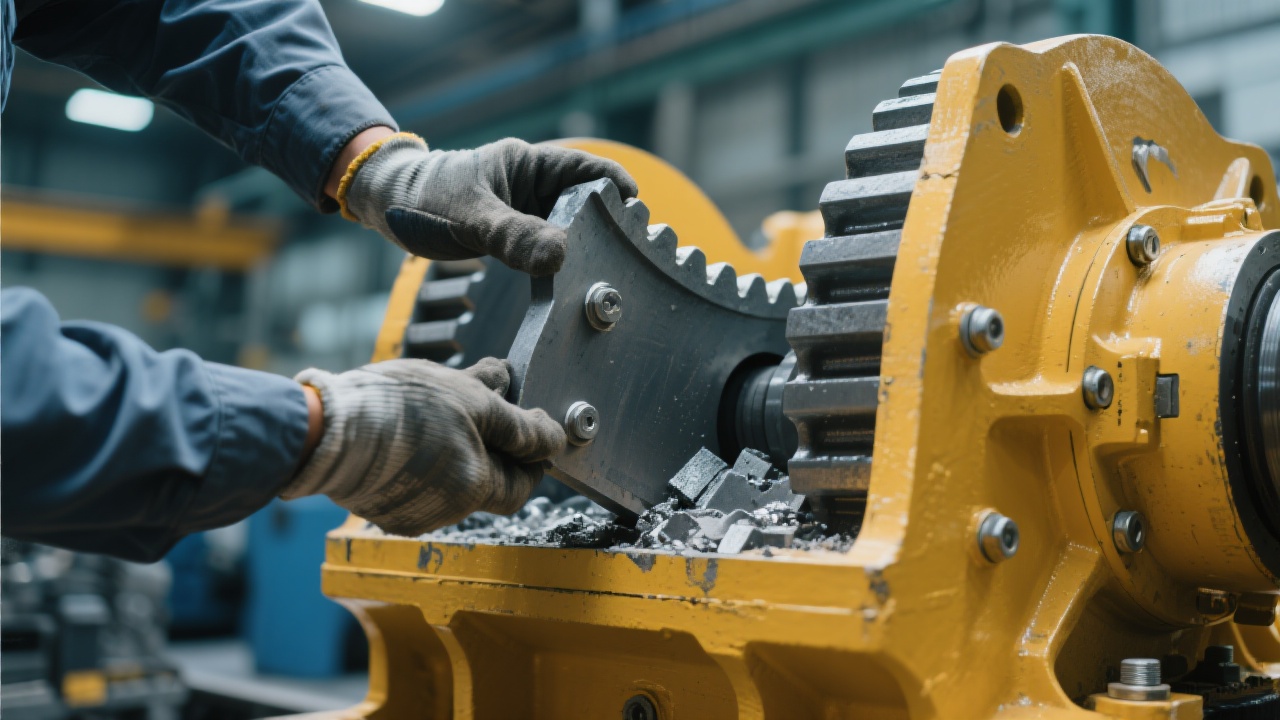
Let's take iron ore, copper ore, and bauxite as examples to illustrate the selection decision - making process in real - world application scenarios.
Iron ore is a common metal ore with high hardness. When processing iron ore, the feed size needs to be carefully considered to ensure efficient crushing. Generally, for high - grade iron ore, a relatively smaller feed size can be selected to improve the crushing efficiency and the quality of the final product. In a real - world case, a mining company reduced the feed size of iron ore from 800mm to 600mm, which increased the crushing efficiency by 15% and reduced the wear of the vulnerable parts by 20%.
Copper ore is often associated with other minerals, and its hardness and composition vary. When dealing with copper ore, the feed size should be adjusted according to the specific ore properties. For example, in a copper mine, by matching the feed size with the crusher's parameters according to the ore's hardness and moisture content, the crushing efficiency was increased by 12%, and the output particle size was more uniform.
Bauxite has a relatively low hardness and is easier to crush. However, the feed size still affects the crusher's performance. A proper feed size can ensure stable production and high - quality output. In a bauxite processing plant, by optimizing the feed size, the crusher's production capacity was increased by 10%, and the energy consumption was reduced by 8%.

To help you quickly determine the suitable feed range for your working conditions, we have constructed a step - by - step'selection logic framework'.
"Selecting the right feed size for a jaw crusher is crucial for achieving efficient and stable production. It requires a comprehensive consideration of ore properties, crusher performance, and production capacity goals." - Industry Expert
.jpg)
Selecting the appropriate feed size for your jaw crusher is a key step in achieving efficient metal ore crushing. By understanding the impact of feed size on crusher performance and following the selection logic framework, you can avoid over - loading or wasting resources, and maximize long - term benefits.
Zhengzhou Kuanglian PE Jaw Crushers, with 30 years of industry experience and a service network in 137 countries around the world, can provide you with customized solutions to help you achieve stable and efficient production. If you want to learn more about how to select the right jaw crusher for your metal ore processing, click here to get in touch with us.
We also encourage you to share your experiences. What's the particle size of your ore? How did you select the crusher? Let's discuss!
 335
|
335
|
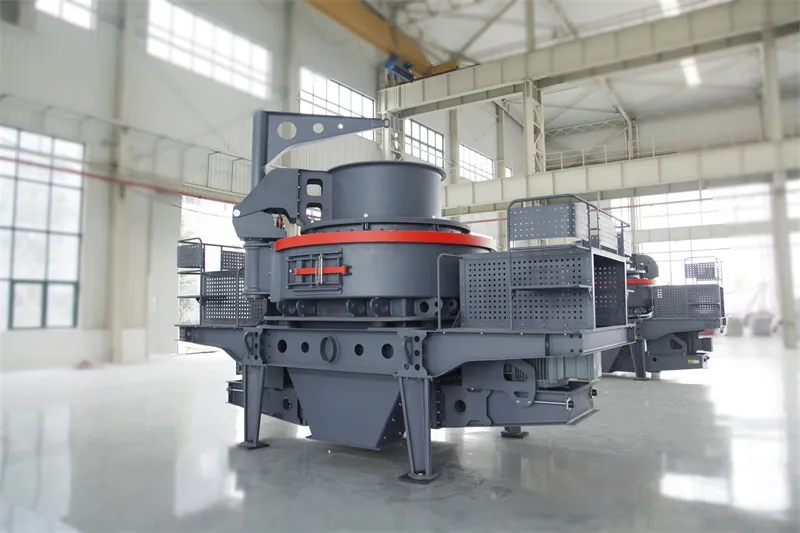
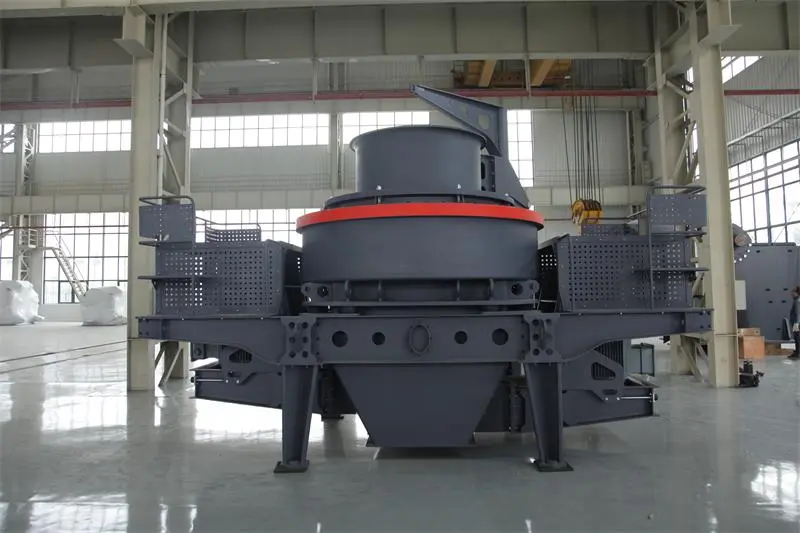
 VSI6X Sand Making Machine
efficient low-cost sand making equipment
sand making shaping patented technology
342
|
metal ore crushing
iron ore crusher blockage prevention
PEW jaw crusher maintenance
jaw crusher operational issues
crusher efficiency improvement
396
|
VSI6X Sand Making Machine
sand shaping equipment
high-efficiency low-cost sand machine
sand industry solutions
390
|
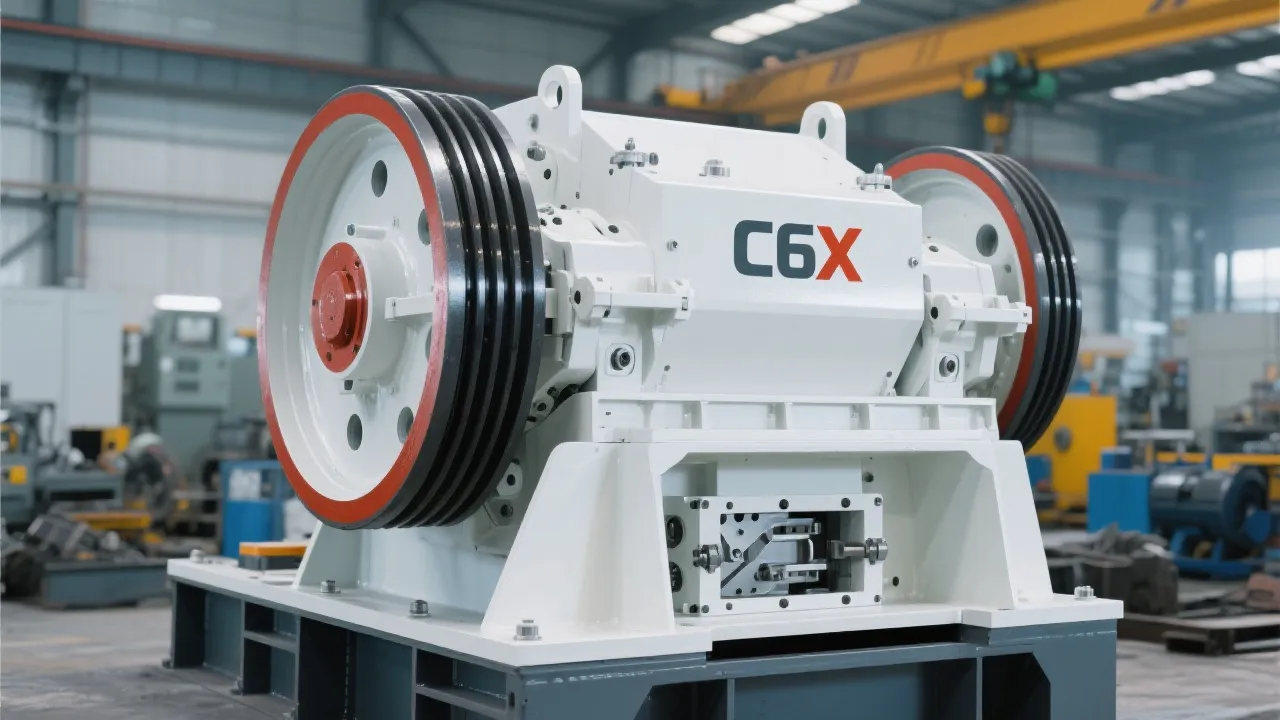
C6X jaw crusher
ore processing adaptability
high-efficiency aggregate crushing
jaw crusher performance
maintenance optimization
458
|
VSI6X sand making machine
efficient sand production equipment
dual motor drive sand machine
VSI6X Sand Making Machine
efficient low-cost sand making equipment
sand making shaping patented technology
342
|
metal ore crushing
iron ore crusher blockage prevention
PEW jaw crusher maintenance
jaw crusher operational issues
crusher efficiency improvement
396
|
VSI6X Sand Making Machine
sand shaping equipment
high-efficiency low-cost sand machine
sand industry solutions
390
|
C6X jaw crusher
ore processing adaptability
high-efficiency aggregate crushing
jaw crusher performance
maintenance optimization
458
|
VSI6X sand making machine
efficient sand production equipment
dual motor drive sand machine

.jpg?x-oss-process=image/resize,h_800,m_lfit/format,webp)
.jpg?x-oss-process=image/resize,h_800,m_lfit/format,webp)





.jpg?x-oss-process=image/resize,m_fill,h_800,w_800/format,webp)




 Facebook