

In the dynamic world of aggregate production, efficiency and precision are the cornerstones of success. A well-optimized stone crushing plant can increase production output by up to 30% while reducing energy consumption by 15-20% compared to outdated systems. This comprehensive guide walks you through the complete workflow of a modern stone crushing production line, from raw material preparation to final product screening, highlighting key operational techniques and maintenance strategies that separate industry leaders from the competition.
A typical stone crushing production line operates through a sequential process that transforms raw stone into various grades of construction aggregates. Each stage plays a critical role in determining the final product quality and production efficiency. According to industry benchmarks, a properly configured crushing line can process between 100 to 1,500 tons of material per hour, depending on material hardness, desired output size, and equipment configuration.
Effective raw material preparation directly impacts downstream processing efficiency and product quality. Before entering the crushing circuit, materials must undergo careful handling and pre-screening to remove contaminants and oversized particles.
Key Preprocessing Steps:
Proper preprocessing can reduce crusher wear by up to 25% and significantly improve particle shape consistency in the final product. Operators should monitor feed size distribution, aiming for a uniform material flow with less than 10% oversized material (greater than 1.5 times the crusher's feed opening).
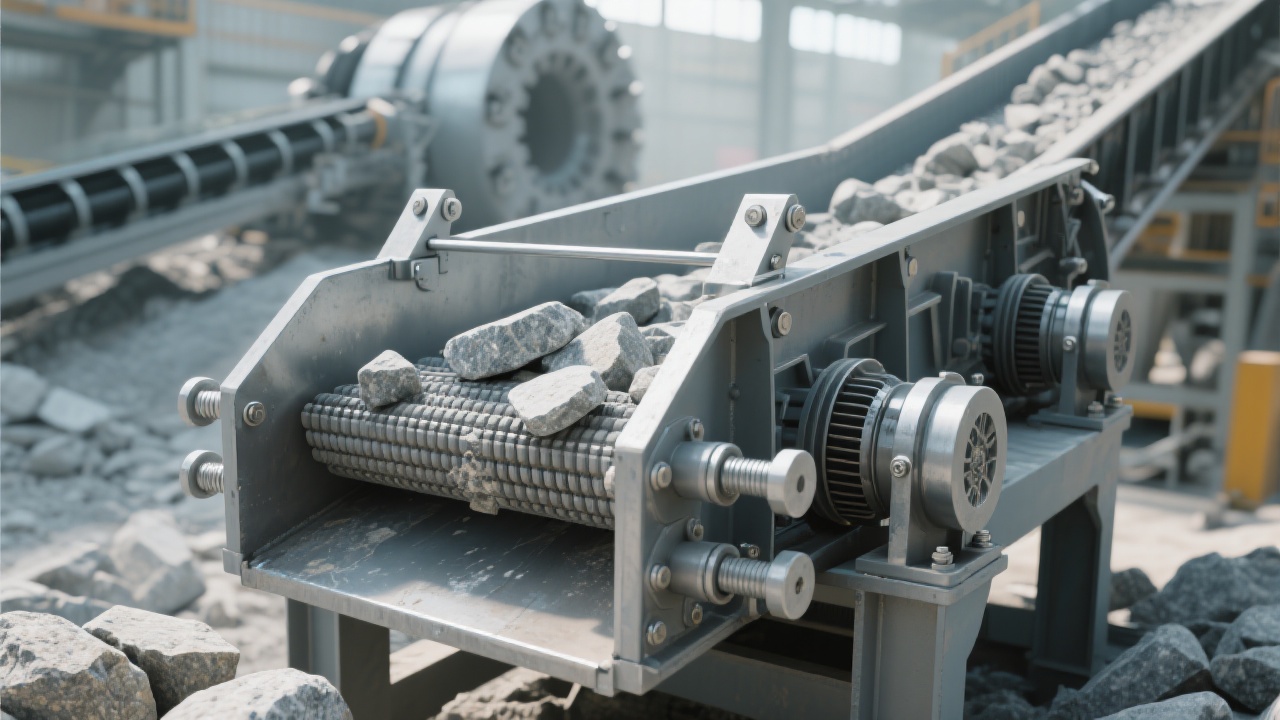
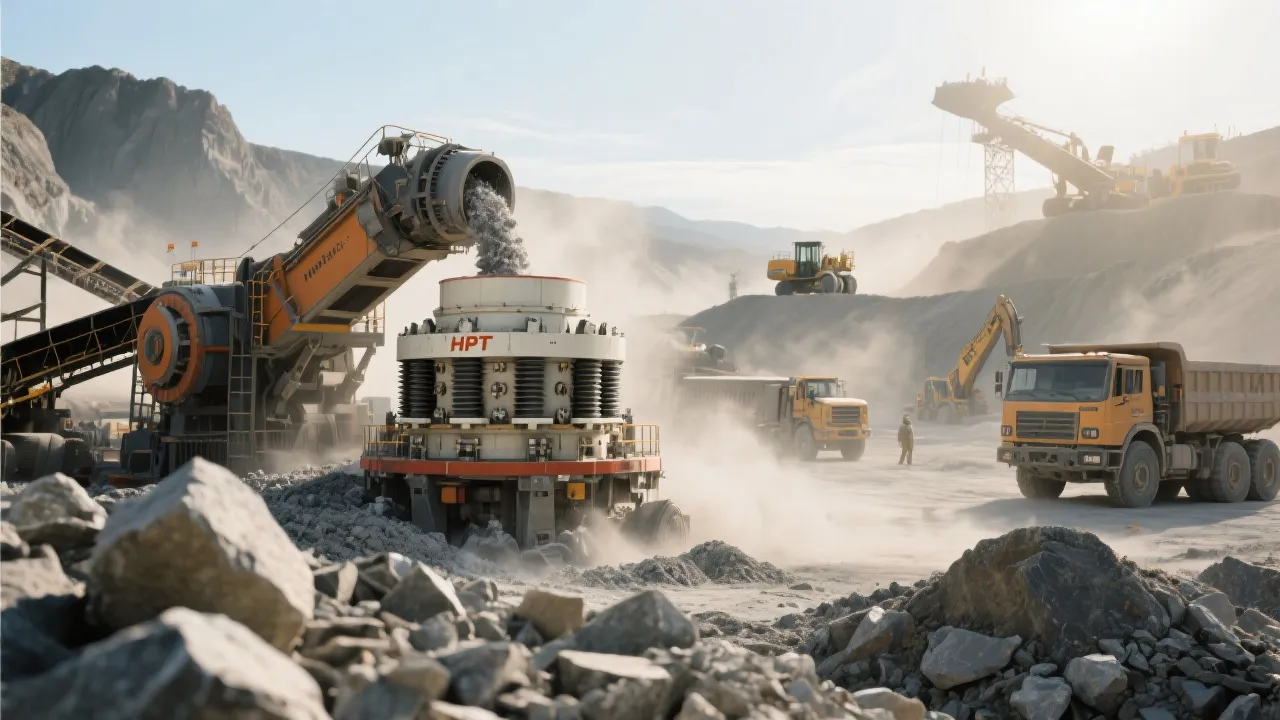
The crushing stage is where the transformation from raw stone to construction aggregate occurs. Modern crushing plants typically employ a multi-stage approach to achieve efficient size reduction while minimizing energy consumption and wear costs.
| Crushing Stage | Typical Equipment | Feed Size Range | Product Size Range | Efficiency Tips |
|---|---|---|---|---|
| Primary Crushing | Jaw Crushers, Gyratory Crushers | 100-1000mm | 10-300mm | Maintain 4:1 reduction ratio; monitor CSS clearance |
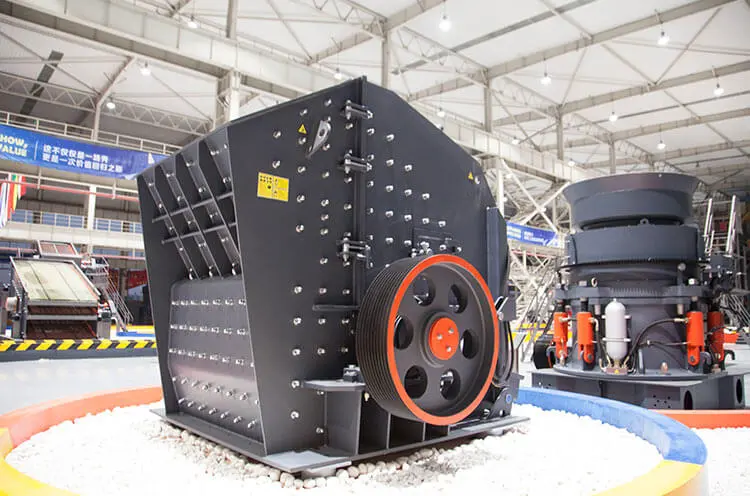
| Secondary Crushing | Cone Crushers, Impact Crushers | 30-300mm | 5-50mm | Adjust eccentric speed for material type; optimize cavity design |
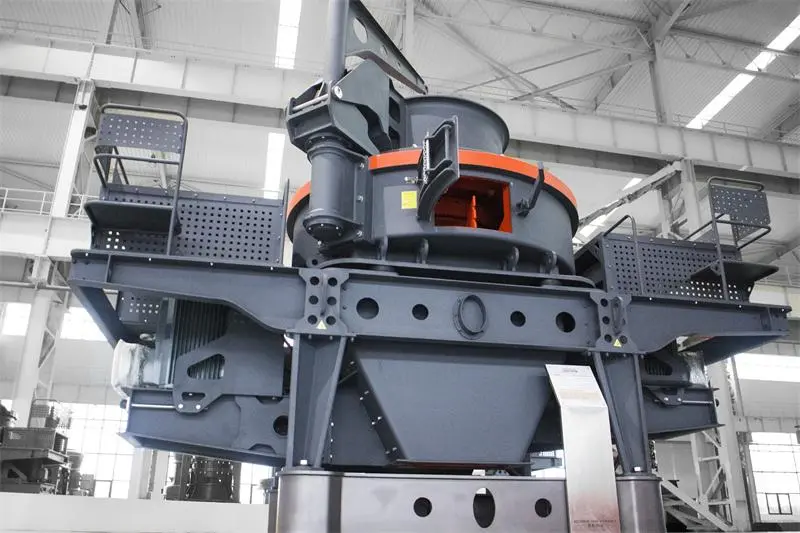
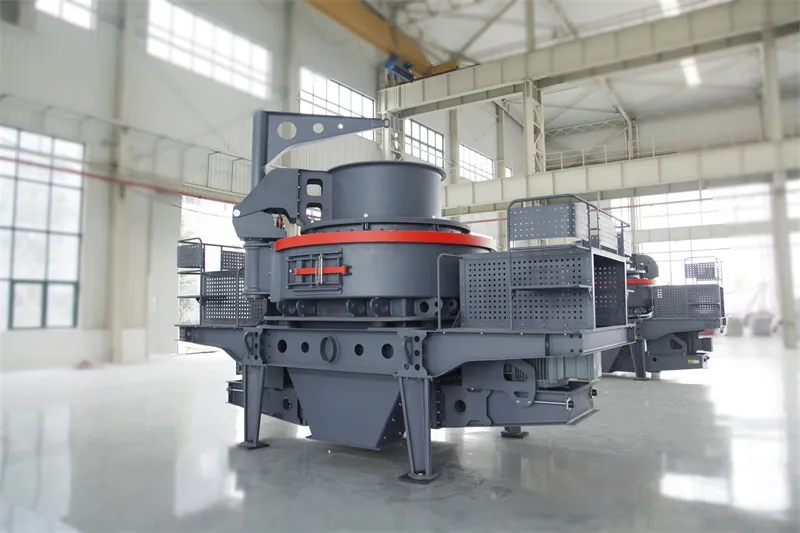
| Tertiary Crushing | Vertical Shaft Impact Crushers, Fine Cone Crushers | 5-50mm | 0-20mm | Control rotor speed for particle shape; adjust feed rate |
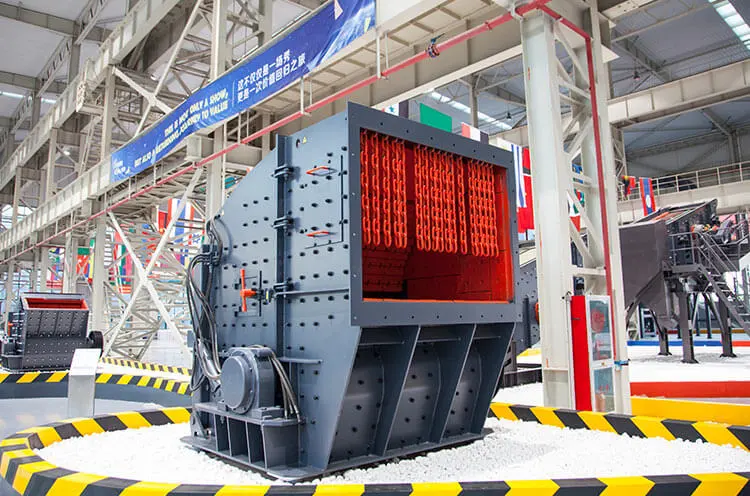
Selecting the right crusher type and configuration depends on several factors including material hardness (measured by Mohs scale), desired product shape, and production capacity requirements. For example, impact crushers excel at producing cubical-shaped aggregates ideal for concrete applications, while cone crushers are better suited for high-hardness materials like granite and basalt.
Screening is the critical process that separates crushed material into different size fractions, ensuring each product meets specific quality standards. A well-designed screening system can improve product consistency by up to 40% and reduce material waste significantly.
Vibrating Screen Optimization Techniques:
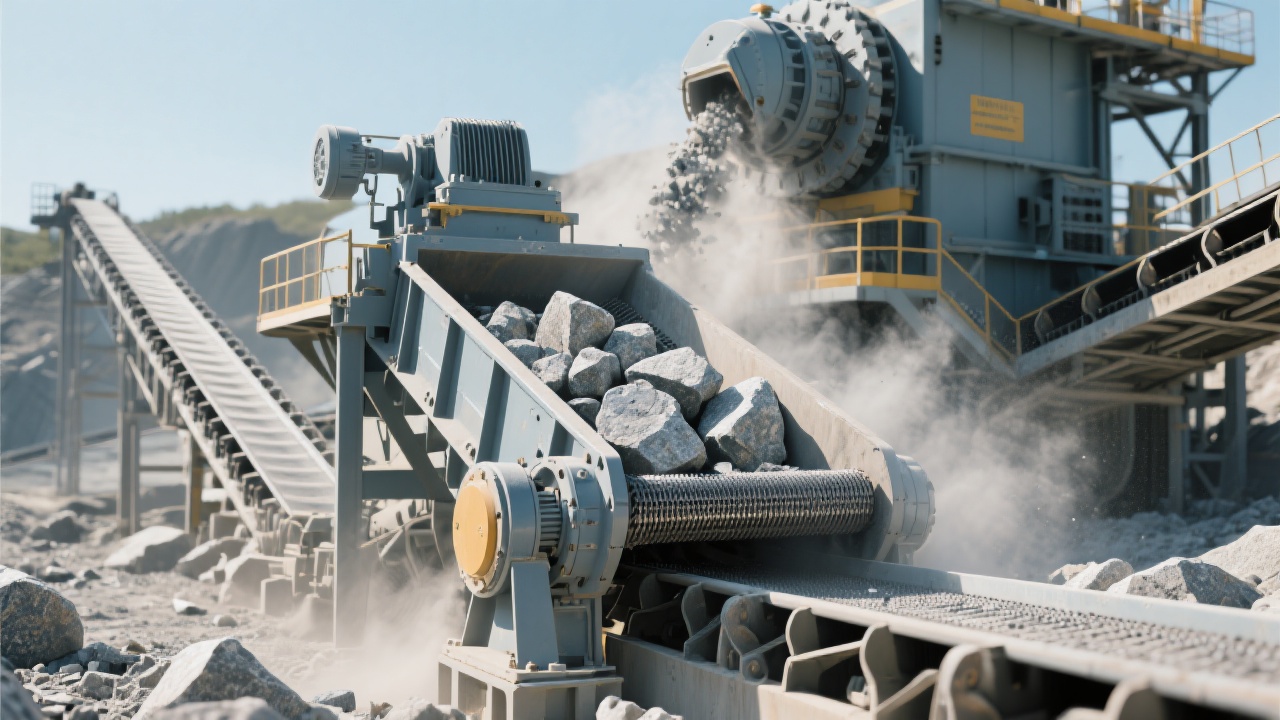
The integration of intelligent control systems has revolutionized stone crushing operations, enabling real-time monitoring, automatic adjustments, and data-driven decision making. Plants equipped with advanced control systems typically experience 15-20% higher overall equipment effectiveness (OEE) compared to manually operated facilities.
Key features of modern control systems include:
These systems collect thousands of data points per minute, providing operators with actionable insights to optimize production parameters, reduce downtime, and improve product quality consistency.
Preventive maintenance is the cornerstone of reliable crushing plant operation. Studies show that every dollar invested in preventive maintenance saves $3-5 in unplanned repair costs and lost production. Implementing a structured maintenance program can reduce unplanned downtime by 35-45%.
Even with proper maintenance, issues can arise. Here are solutions to some common problems encountered in stone crushing operations:
Problem: Reduced Production Output
Possible causes and solutions:
Problem: Excessive Vibration
Possible causes and solutions:
Our team of experts can help you design, optimize, and maintain a high-efficiency crushing line tailored to your specific needs.
Get Your Customized Production Line Analysis 262
|
262
|
 impact crusher selection
rotor diameter vs motor power
construction waste crushing
recycled aggregate production
energy-efficient crushing equipment
329
|
Chemical crushing equipment
Impact crusher lubrication system
Centralized lubrication solutions
Low - maintenance crusher
Crusher maintenance skills
390
|
C6X jaw crusher
ore processing adaptability
high-efficiency aggregate crushing
jaw crusher performance
maintenance optimization
86
|
construction waste recycling equipment
impact crusher for aggregates
aggregate shape control
building demolition waste processing
crusher selection for construction debris
420
|
Impact crusher for construction waste treatment
PF - 1315 crusher wear - resistant technology
Recycled aggregates from construction waste
High - precision digital processing crusher
Construction waste resource recycling solutions
impact crusher selection
rotor diameter vs motor power
construction waste crushing
recycled aggregate production
energy-efficient crushing equipment
329
|
Chemical crushing equipment
Impact crusher lubrication system
Centralized lubrication solutions
Low - maintenance crusher
Crusher maintenance skills
390
|
C6X jaw crusher
ore processing adaptability
high-efficiency aggregate crushing
jaw crusher performance
maintenance optimization
86
|
construction waste recycling equipment
impact crusher for aggregates
aggregate shape control
building demolition waste processing
crusher selection for construction debris
420
|
Impact crusher for construction waste treatment
PF - 1315 crusher wear - resistant technology
Recycled aggregates from construction waste
High - precision digital processing crusher
Construction waste resource recycling solutions

.jpg?x-oss-process=image/resize,h_800,m_lfit/format,webp)





 Facebook