

In the realm of infrastructure projects, stone crushing plants play a pivotal role in supplying quality aggregate materials. Optimizing the crushing process design is essential not only to maximize production capacity but also to control investment costs effectively. This article delves into how strategic equipment combination, process flexibility, and automation integration collectively enhance plant performance while maintaining cost efficiency.
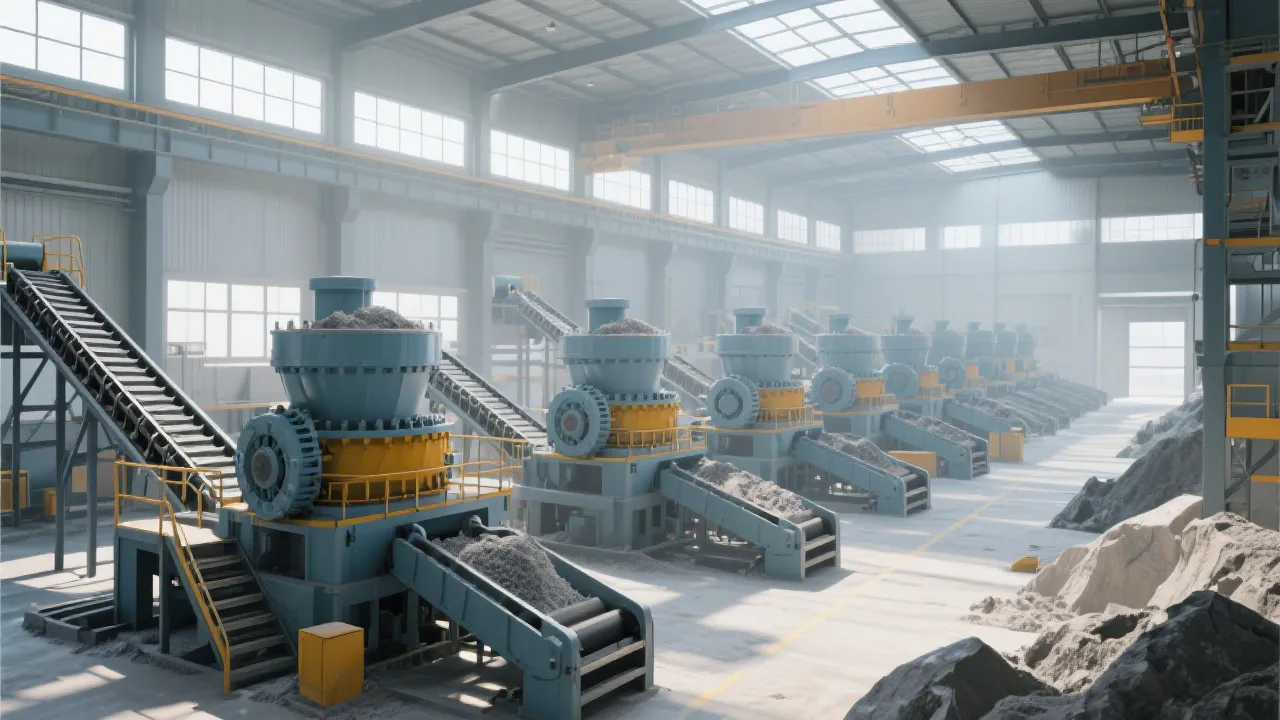
A scientifically designed crushing plant relies heavily on selecting the right equipment and configuring them in a balanced manner. Typically, a combination of jaw crushers for primary breaking and cone or impact crushers for secondary and tertiary crushing provides an efficient and versatile setup.
Based on industry data, an optimized configuration can improve throughput by up to 20%, mitigating bottlenecks linked to improper sizing or mismatch of crushers. Key parameters to consider include feed size, crusher capacity, reduction ratio, and product gradation.
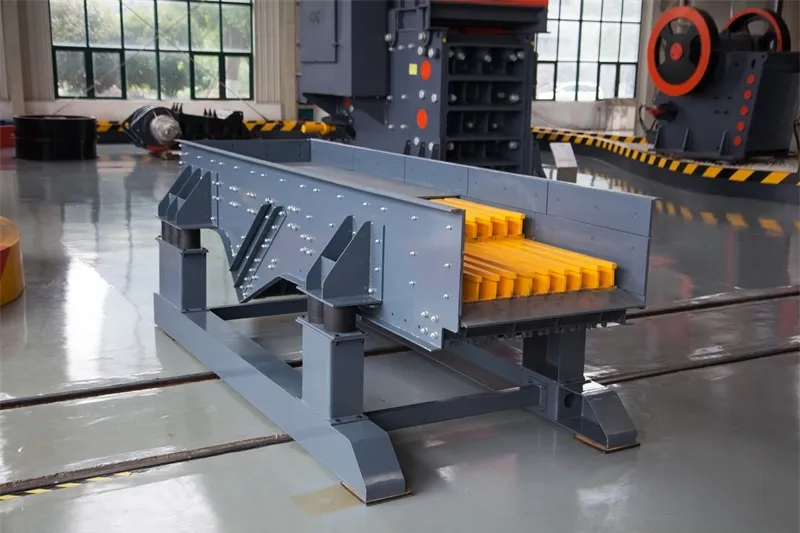
Efficient layout should minimize material transport distances to reduce power consumption and wear. For instance, incorporating vibrating feeders and conveyor belts within close proximity of crushers curtails operational downtime and maintenance costs.
Process flexibility is vital in addressing fluctuations in raw material characteristics and evolving project requirements. Designing crushing circuits with parallel lines and bypass options enables operators to adjust production dynamically.
Modular designs reduce reconfiguration time during maintenance or capacity upgrades. According to practical project analyses, plants with adaptable process flows exhibit an average 15% increase in operational uptime.
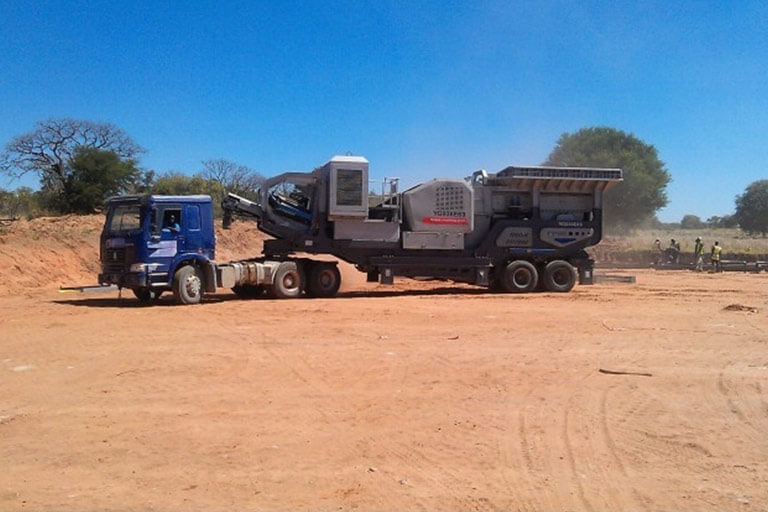
Leveraging automation improves not only production efficiency but also safety and resource management. Intelligent control systems provide real-time monitoring of operational parameters such as crusher load, power consumption, and vibration levels.
Implementing programmable logic controllers (PLCs) and SCADA systems can reduce human errors and facilitate predictive maintenance. Empirical studies reveal that automation integration may yield up to 25% in energy savings and a 30% reduction in unplanned downtime.
Additionally, remote monitoring capabilities enable centralized management in geographically dispersed projects, optimizing overall plant performance.
Vibrating screens are indispensable for material classification and quality control, directly influencing final product gradation. Their configuration—such as the number of decks, mesh size, and stroke frequency—must be tailored to the specific aggregate types and project requirements.
Efficient screening reduces recirculation loads and enhances crusher lifespan. Design best practices recommend pre-screening at the primary stage to eliminate fines, which can reduce crusher wear by up to 15%.
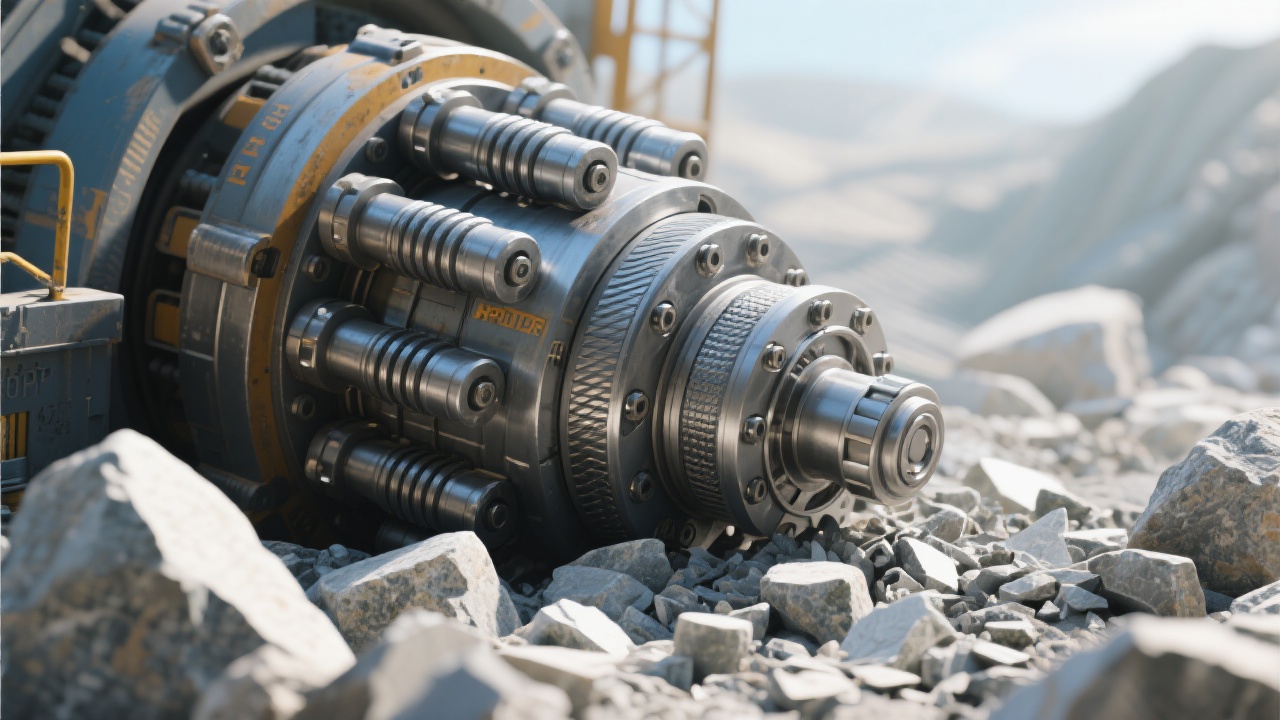
A recent infrastructure project exemplified the successful application of these principles. By deploying an integrated crushing and screening line with PLC-based automation, the project realized a 22% reduction in capital expenditure compared to traditional setups.
Material throughput reached 750 tons per hour with an availability rate exceeding 92% over a 12-month period, underscoring the effectiveness of process design and intelligent control in reducing capital and operational risks.
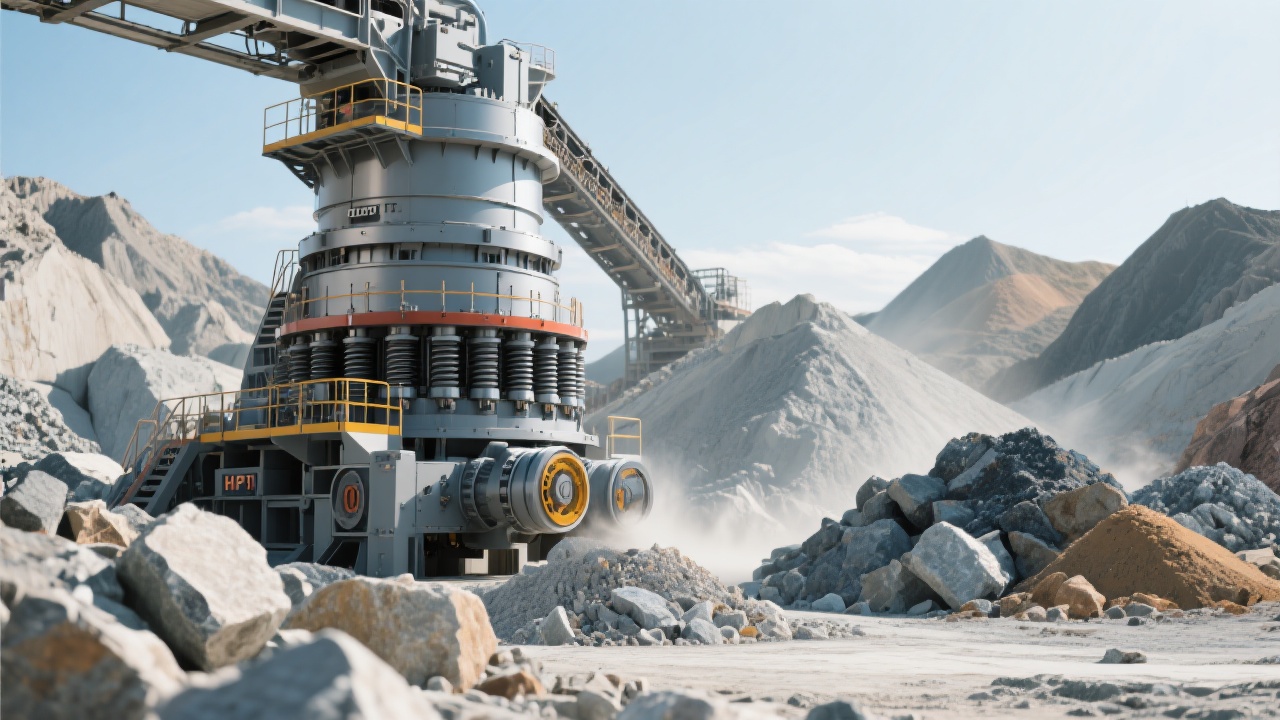
The application of tailored vibrating screen configurations further ensured consistent product quality, which aligned with the rigorous standards required in civil infrastructure.
When designing a crushing line, always prioritize process adaptability and automation readiness to future-proof operations against shifting project needs and technological advancements.
 167
|
167
|
 jaw crusher efficiency optimization
V-shaped crushing chamber
rock hardness and crusher configuration
construction waste recycling equipment
PEW jaw crusher solutions
390
|
C6X jaw crusher
ore processing adaptability
high-efficiency aggregate crushing
jaw crusher performance
maintenance optimization
275
|
PEW jaw crusher
granite aggregate production line
non - metallic mineral crushing
equipment selection
crushing process
439
|
PFW impact crusher application scenarios
Chemical raw material crushing equipment recommendation
Multi - industry general crusher
Double - wedge adjustment mechanism
Phosphate rock processing crushing equipment
285
|
Construction waste crushing equipment selection
Impact crusher vs jaw - hammer crusher
Recycled aggregate particle shape control
Crusher equipment parameters
Construction waste recycling solutions
jaw crusher efficiency optimization
V-shaped crushing chamber
rock hardness and crusher configuration
construction waste recycling equipment
PEW jaw crusher solutions
390
|
C6X jaw crusher
ore processing adaptability
high-efficiency aggregate crushing
jaw crusher performance
maintenance optimization
275
|
PEW jaw crusher
granite aggregate production line
non - metallic mineral crushing
equipment selection
crushing process
439
|
PFW impact crusher application scenarios
Chemical raw material crushing equipment recommendation
Multi - industry general crusher
Double - wedge adjustment mechanism
Phosphate rock processing crushing equipment
285
|
Construction waste crushing equipment selection
Impact crusher vs jaw - hammer crusher
Recycled aggregate particle shape control
Crusher equipment parameters
Construction waste recycling solutions


.jpg?x-oss-process=image/resize,h_800,m_lfit/format,webp)
.jpg?x-oss-process=image/resize,h_800,m_lfit/format,webp)






 Facebook