
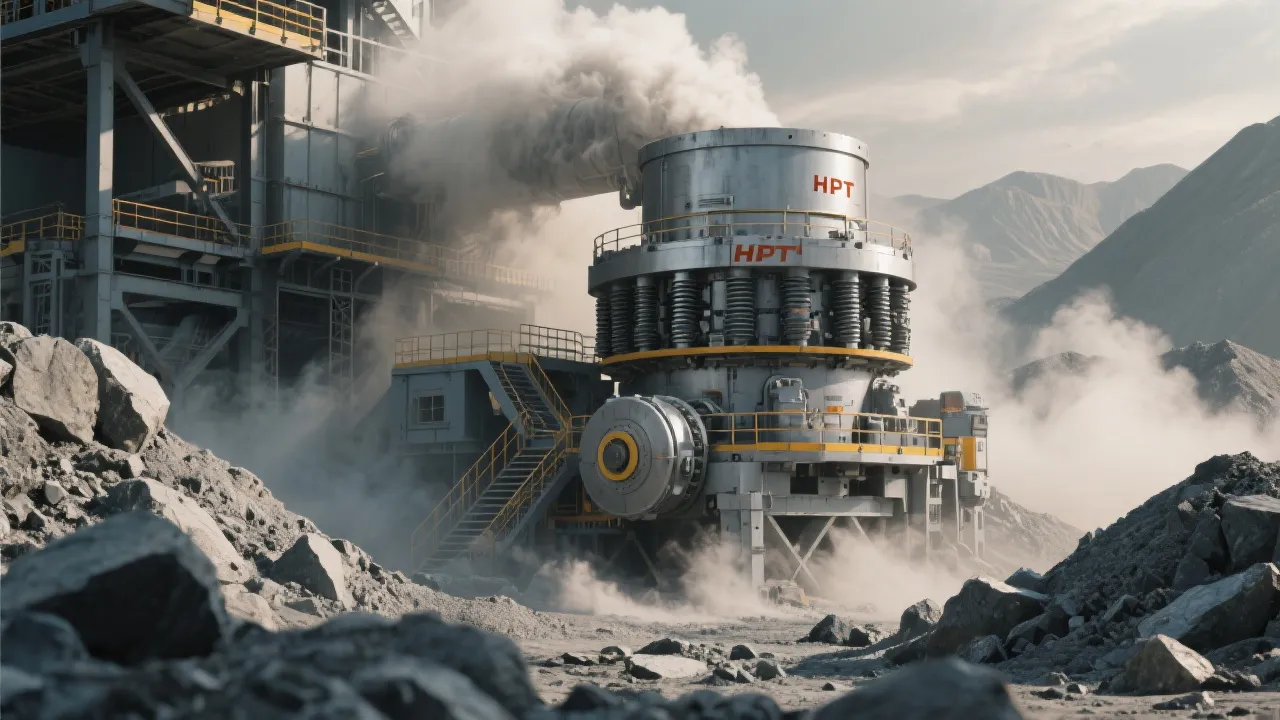
In the realm of mining, hard rock crushing equipment faces relentless wear that critically impacts operational costs and equipment lifespan. Understanding the root causes of wear and implementing effective maintenance and design strategies are essential for boosting production efficiency and maximizing return on investment. This article delves into wear phenomena in hard rock crushers, with a focus on short-head cone crushers employing laminated crushing principles and hydraulic lubrication systems — a technology leap in addressing wear challenges.
Common wear patterns in hard rock crushing equipment predominantly affect the liners (mantle and concave) and core components like the eccentric shaft and bowl ring. These components endure abrasive erosion, surface fatigue, and impact stress. For example, abrasive wear on liners may cause loss of crushing surface profile, leading to reduced crushing efficiency by up to 15–20%, while key part failures can result in costly unscheduled downtimes and up to 30% production loss in severe cases.
Traditional impact crushing accelerates rock fragmentation by sudden high-velocity impacts, which can cause extensive liner wear due to aggressive particle collision and sudden stress reversals. In contrast, laminated crushing — a defining feature of short-head cone crushers — fractures rock by compressive and shear forces through gradual layer-peeling. This controlled energy application reduces liner abrasion rate by approximately 25%, resulting in uniform wear distribution and prolonged component life.
The enhanced crushing mechanism achieves not only lower wear but also improved shape and size gradation of aggregate products — a decisive advantage for downstream mineral processing efficiency.
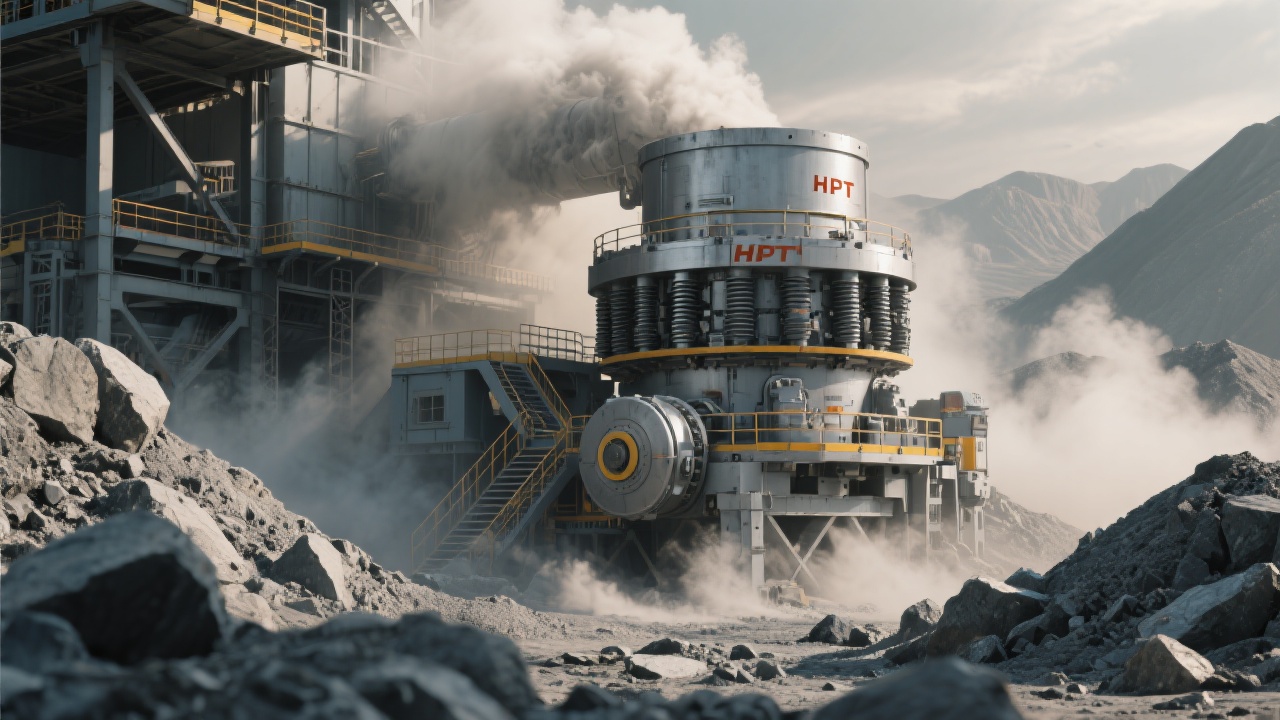
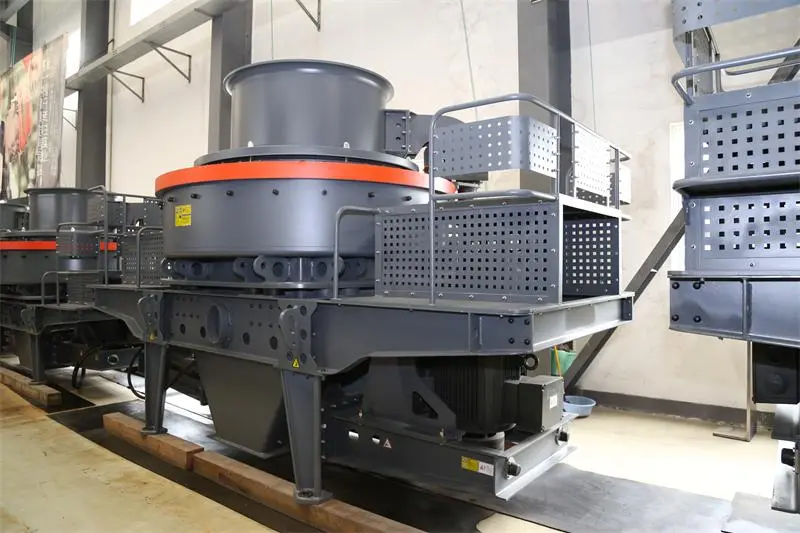
The short-head cone crusher’s compact design incorporates several key features to mitigate wear:
Maintaining optimal operational parameters is essential for minimizing wear and maximizing equipment uptime. Based on field data and industry best practices, the following are recommended:

A copper mine using a short-head cone crusher with laminated crushing and hydraulic lubrication recorded a 30% extension in liner lifespan compared to their previous impact crushers. Production stability improved, with unplanned stoppages reduced by 17% annually. Furthermore, energy consumption declined by 8%, showcasing that reduced wear synergizes with operational efficiency.
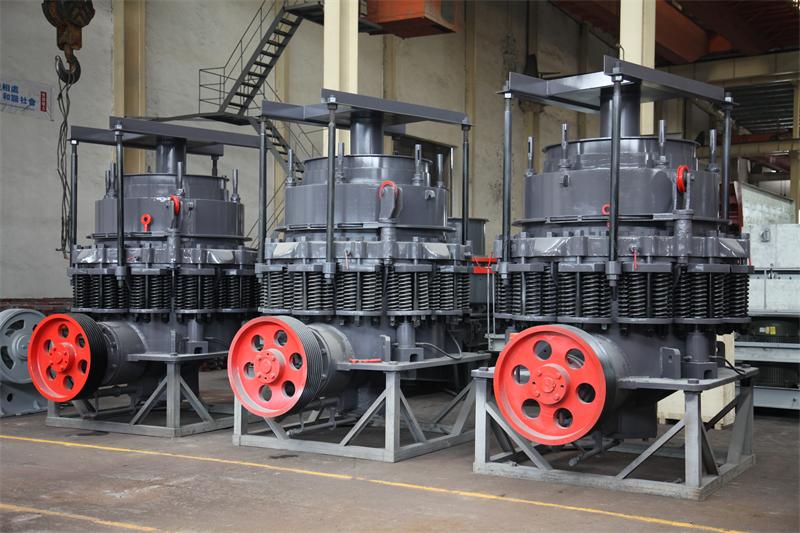
Expert Tip: Regularly calibrating crusher settings for rock type variability and avoiding feed size oversize reduces abrasive concentration on liners, enhancing overall durability. A proactive maintenance culture combined with technology adoption creates lasting operational benefits.
How have these wear reduction strategies impacted your mining operation? Share your experiences and questions in the comments below—we’re eager to exchange insights to fuel industry advancement.
 496
|
496
|
 ["C6X jaw crusher maintenance"
"C6X crusher upkeep"
"jaw crusher fault diagnosis"
"efficient jaw crusher maintenance"
"high-output crusher maintenance"]
146
|
impact crusher sealing system
high mud content vibration control
mining equipment stability
wear part longevity
crusher maintenance best practices
282
|
iron ore crushing efficiency
PEW jaw crusher maintenance
jaw crusher wear prevention
metal ore processing optimization
V-shaped crushing chamber
381
|
Jaw crusher efficiency
Crushing chamber design optimization
Ore crushing technology
V - shaped crushing chamber
Crusher production capacity improvement
302
|
Metal ore jaw crusher selection
Crusher feed size matching
Ore granularity and crushing efficiency
PE jaw crusher
Ore crushing equipment selection guide
["C6X jaw crusher maintenance"
"C6X crusher upkeep"
"jaw crusher fault diagnosis"
"efficient jaw crusher maintenance"
"high-output crusher maintenance"]
146
|
impact crusher sealing system
high mud content vibration control
mining equipment stability
wear part longevity
crusher maintenance best practices
282
|
iron ore crushing efficiency
PEW jaw crusher maintenance
jaw crusher wear prevention
metal ore processing optimization
V-shaped crushing chamber
381
|
Jaw crusher efficiency
Crushing chamber design optimization
Ore crushing technology
V - shaped crushing chamber
Crusher production capacity improvement
302
|
Metal ore jaw crusher selection
Crusher feed size matching
Ore granularity and crushing efficiency
PE jaw crusher
Ore crushing equipment selection guide


.jpg?x-oss-process=image/resize,h_800,m_lfit/format,webp)



.jpg?x-oss-process=image/resize,m_fill,h_800,w_800/format,webp)

.jpg?x-oss-process=image/resize,m_fill,h_800,w_800/format,webp)



 Facebook