


1) Stratification speed
Fine particles must move downward through the material bed quickly. When amplitude drops, the bed “locks,” and fines ride the surface to the discharge.
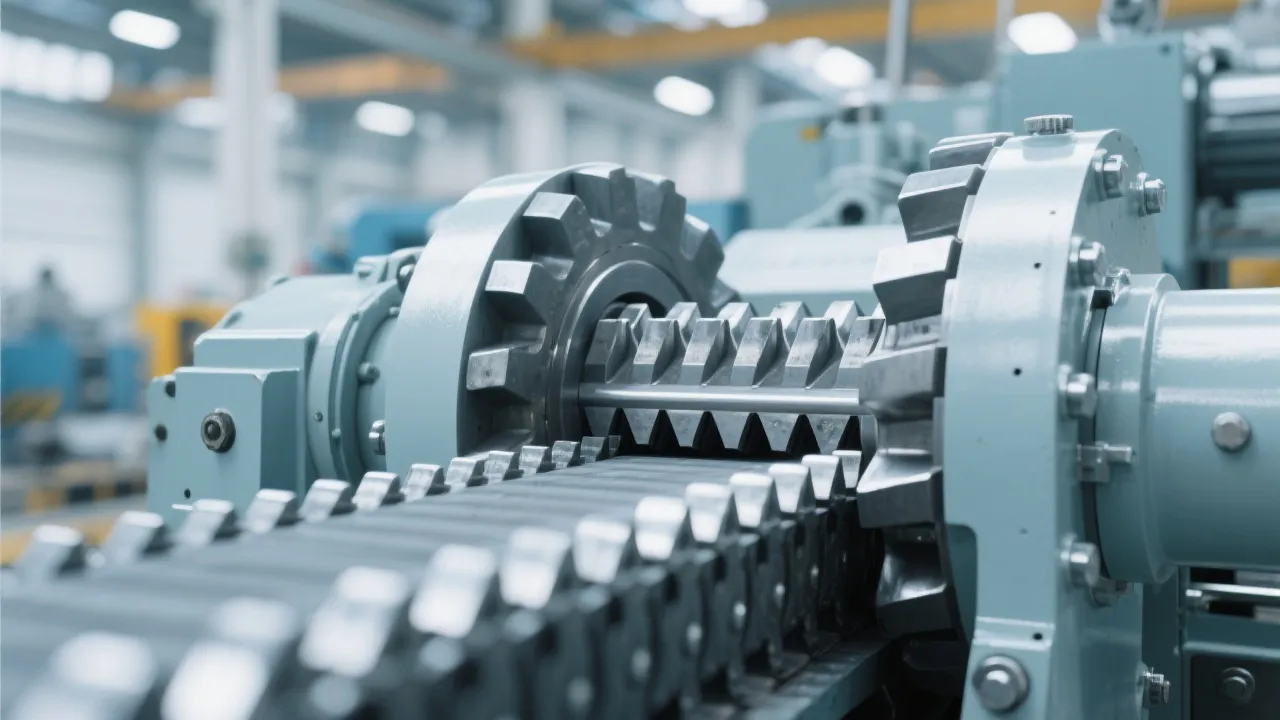
Across Zhengzhou mining areas, the same bottleneck appears again and again: fine-grade materials (typically under 10 mm, with a heavy share below 3 mm) refuse to behave. They cling, blind the mesh, ride on top of larger particles, and force operators into a cycle of unstable throughput, rising recirculation load, and unplanned downtime. Kuanglian approaches this problem at its mechanical root: excitation force design, motion stability, and energy transfer efficiency.
Field reality check: In many limestone and coal gangue circuits, once the fine fraction climbs above 30–45%, conventional screens often experience visible amplitude decay within 30–60 minutes of high-load operation, followed by rising carryover and frequent cleaning stops.
Fine-particle separation is rarely solved by simply increasing motor size. The decisive factor is whether the screen can maintain a stable, high-effective excitation force under heavy bed depth, moisture variation, and continuous feed fluctuations. In practical screening, three mechanisms drive separation performance:
Fine particles must move downward through the material bed quickly. When amplitude drops, the bed “locks,” and fines ride the surface to the discharge.
A screen may be rated at a certain amplitude, but under load, belt slip, bearing heat, and exciter inefficiency can reduce the working amplitude by 15–35%.
With coal gangue or damp limestone, partial blinding can rise sharply. If the motion trajectory is not aggressive enough, open area drops and the screen becomes a bottleneck rather than a classifier.
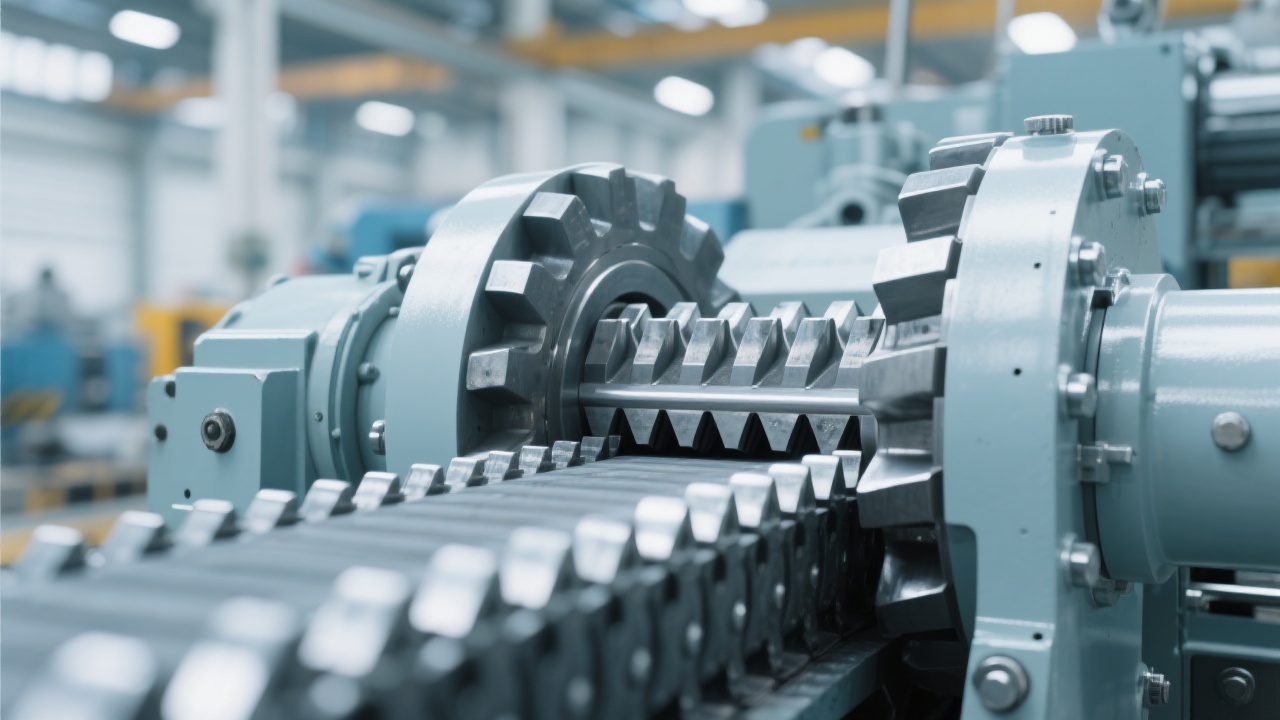
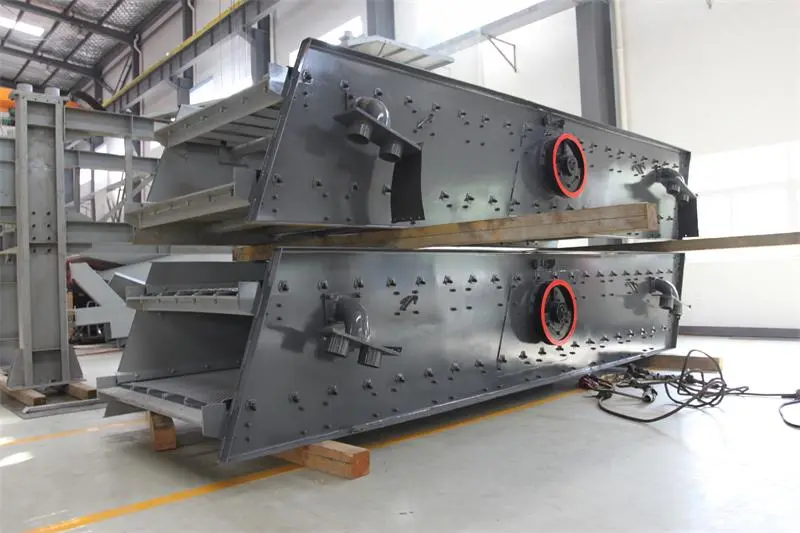
The Y-type vibrating screen developed by Kuanglian focuses on one non-negotiable target: maintain strong, controllable excitation force over long runs. In many traditional designs, energy is lost through transmission inefficiency and structural micro-flexing; what reaches the deck is less than what the motor produces. The Y-type approach reduces those losses so the deck motion remains consistent.
In high-load screening, usable excitation force is the difference between stable separation and constant troubleshooting. The Y-type concept emphasizes reinforced exciter design, controlled trajectory, and reduced transmission slip (commonly via V-belt drive optimization), improving how consistently energy becomes deck motion.
Actual parameters depend on deck size, material density, moisture, and target cut size. The following ranges are commonly used in fine-grade classification:
| Parameter | Common Range | Operational Meaning |
|---|---|---|
| Operating frequency | 750–980 rpm | Controls cycle speed; higher isn’t always better for damp fines |
| Working amplitude (loaded) | 4–8 mm | Directly influences stratification and anti-blinding |
| Deck inclination | 12°–22° | Controls travel speed vs. screening time |
| Specific capacity (fine screening, reference) | 10–25 t/h·m² | Highly sensitive to open area, moisture, and feed stability |
When excitation remains stable, fine material has the repeated opportunity to contact the mesh. That’s where separation accuracy and throughput rise together—rather than trading one for the other.
Operators often describe “the screen feels weaker after running for a while.” That perception usually matches measurable loss: belt slip, thermal expansion, bearing drag, and structural vibration absorption. Over time, the system’s energy stops translating into effective deck motion.
| Indicator | Conventional setup (common) | Y-type optimized approach (target) |
|---|---|---|
| Loaded amplitude stability (2–6 hrs) | Drops 15–35% | Typically within ±5–10% |
| Screening efficiency (fine cut, reference) | 70–82% | 82–92% |
| Unplanned cleaning stops | 1–3 / shift | 0–1 / shift |
| Typical throughput gain (same footprint) | Baseline | +10–25% (site-dependent) |
Note: Values are industry reference ranges for comparable fine-screening duties; final performance depends on ore type, moisture, deck area, and feed distribution.

In Zhengzhou mining applications, limestone and coal gangue share one operational headache: their fine fractions behave differently day-to-day. A “fixed mesh forever” mindset typically leads to either poor separation or excessive blinding. The more effective approach is to treat mesh as a configurable tool—paired with motion and feed control.
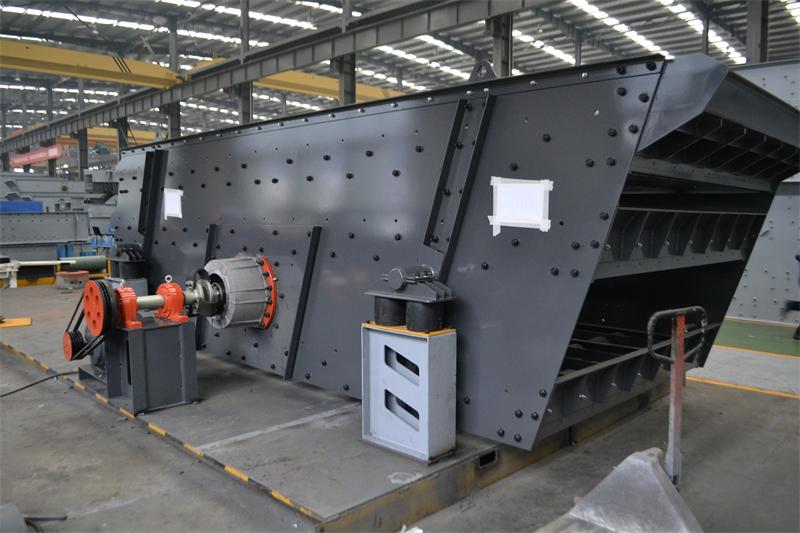
In production terms, success is not a lab-grade number; it is whether the screening section stops being the constraint. With stable excitation and an exciter system designed to resist energy loss, many fine-grade circuits see measurable improvements such as:
Higher usable capacity: commonly +10–25% at the same footprint when the deck stays “alive” under load.
Cleaner cut size control: fines bypass reduction that can push screening efficiency toward 85–92% (material-dependent).
Less downtime pressure: fewer emergency cleanups and fewer “mystery” fluctuations between shifts.
Strong excitation is not just a design feature—it is something operations must protect. In high-dust mining conditions, small maintenance lapses often appear as “process issues” days later.
Want a mesh recommendation and motion parameter suggestion based on your ore type (limestone, coal gangue, or mixed feed), target cut size, moisture, and hourly tonnage? Share your basic operating data and get a configuration direction that’s realistic for Zhengzhou-style high-load conditions.
 362
|
362
|
 limestone crushing equipment configuration
granite crushing challenges
basalt crushing solutions
impact crusher selection guide
crushing equipment parameter optimization
394
|
jaw crusher selection for metal ores
PE jaw crusher applications
crushing process optimization
ore hardness and moisture effects
dust control in mining operations
460
|
impact crusher efficiency optimization
rotor imbalance troubleshooting
hammer wear patterns
crushing machine energy saving
rotor dynamic balancing test
142
|
chemical crushing equipment
lubrication system for impact crushers
centralized grease lubrication
reduce crusher downtime
low-maintenance crushing machinery
394
|
jaw crusher wear analysis
PEW jaw crusher maintenance
copper ore crushing challenges
iron ore hardness impact
V-type crushing chamber design
limestone crushing equipment configuration
granite crushing challenges
basalt crushing solutions
impact crusher selection guide
crushing equipment parameter optimization
394
|
jaw crusher selection for metal ores
PE jaw crusher applications
crushing process optimization
ore hardness and moisture effects
dust control in mining operations
460
|
impact crusher efficiency optimization
rotor imbalance troubleshooting
hammer wear patterns
crushing machine energy saving
rotor dynamic balancing test
142
|
chemical crushing equipment
lubrication system for impact crushers
centralized grease lubrication
reduce crusher downtime
low-maintenance crushing machinery
394
|
jaw crusher wear analysis
PEW jaw crusher maintenance
copper ore crushing challenges
iron ore hardness impact
V-type crushing chamber design
.jpg?x-oss-process=image/resize,h_800,m_lfit/format,webp)

.jpg?x-oss-process=image/resize,h_800,m_lfit/format,webp)







 Facebook